


As a supplier of Port Transport AGVs, I often get asked about the battery replacement process for these nifty machines. So, I thought I'd take a moment to break it down for you in this blog post.
First off, let's talk a bit about Port Transport AGVs. These automated guided vehicles are a game - changer in the port industry. They're designed to handle heavy loads efficiently and autonomously, making the transportation of goods in ports a whole lot smoother. You can check out more about them here: Port Transport AGVs.
Now, onto the battery replacement process. The battery is the heart of any AGV, and for Port Transport AGVs, it's no different. A well - maintained battery ensures that the AGV can operate at its peak performance, carrying those heavy containers around the port without a hitch.
Step 1: Preparation
Before you even think about replacing the battery, you need to do some prep work. First, make sure the AGV is parked in a safe and stable location. You don't want it rolling around while you're working on it. Also, ensure that the area is well - ventilated. Batteries can emit gases, and proper ventilation helps keep the air safe.
Next, gather all the necessary tools. You'll typically need a wrench set, a battery hoist (if the battery is heavy), and some safety gear like gloves and goggles. Safety first, folks!
Step 2: Powering Down
Once you're prepped, it's time to power down the AGV. This is crucial for your safety. You don't want any electrical currents running through the system while you're handling the battery. Locate the power switch on the AGV and turn it off. Some AGVs may also have a secondary power disconnect that you need to engage.
Step 3: Removing the Old Battery
Now comes the actual removal of the old battery. Start by disconnecting the battery cables. Usually, there are positive and negative terminals. Be careful to note which cable goes where, as you'll need to reconnect them correctly later. Use your wrench to loosen the nuts on the terminals and gently pull the cables off.
If the battery is secured with brackets or straps, use your tools to remove them. Then, if it's a heavy battery, use the hoist to lift it out. Be slow and steady when lifting to avoid any accidents. Once the battery is out, place it in a safe storage area.
Step 4: Inspecting the Battery Compartment
With the old battery out, take a good look at the battery compartment. Check for any signs of damage, corrosion, or debris. If there's corrosion on the terminals or in the compartment, clean it up using a battery - cleaning solution. This ensures a good connection for the new battery.
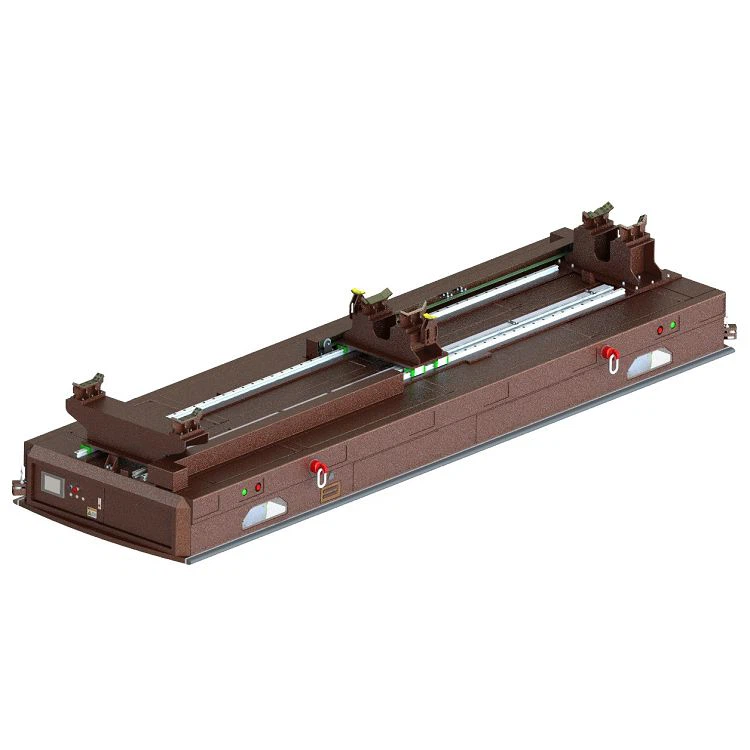

Step 5: Installing the New Battery
It's time to put in the new battery. Carefully lower the new battery into the compartment using the hoist. Make sure it's seated properly and aligned with the mounting points. Then, re - attach the brackets or straps to secure the battery in place.
Next, reconnect the battery cables. Start with the positive terminal and then the negative. Tighten the nuts on the terminals with your wrench, but don't over - tighten. You want a good, secure connection without damaging the terminals.
Step 6: Powering Up and Testing
After the new battery is installed, it's time to power up the AGV. Turn on the power switch and see if the AGV comes back to life. Check the dashboard or control panel to make sure all the systems are functioning correctly. You may also want to run a short test run to ensure that the AGV is moving smoothly.
At this point, you might be thinking about other types of AGVs we offer. We also have Outdoor Heavy Load GPS AGVs and Wind Power And Power Generation AGVs, which are designed for different industries and applications.
Why Regular Battery Replacement Matters
Regular battery replacement is super important for Port Transport AGVs. Over time, batteries lose their capacity to hold a charge. This means that the AGV may not be able to operate for as long as it should between charges. By replacing the battery at the right intervals, you can ensure that your AGV is always running at its best.
Also, a worn - out battery can cause other problems. It may put extra strain on the AGV's electrical system, leading to more frequent breakdowns and costly repairs. So, don't skimp on battery replacement!
Tips for Extending Battery Life
If you want to get the most out of your AGV batteries, here are a few tips. First, avoid over - charging or under - charging the battery. Most modern AGVs have smart charging systems, but it's still a good idea to monitor the charging process.
Second, keep the batteries at a moderate temperature. Extreme heat or cold can reduce the battery's lifespan. If possible, store the AGVs in a climate - controlled environment when they're not in use.
Finally, perform regular maintenance checks on the batteries. Look for signs of damage or wear, and address any issues promptly.
Conclusion
Well, there you have it - the battery replacement process for Port Transport AGVs. It may seem a bit daunting at first, but with the right preparation and following the steps carefully, you can do it safely and effectively.
If you're in the market for Port Transport AGVs or have any questions about battery replacement or our other AGV products, we'd love to hear from you. Whether you're a small port looking to upgrade your operations or a large - scale logistics company, we've got the solutions for you. Get in touch with us to start a procurement discussion and see how our AGVs can revolutionize your business.
References
- Industry standards for AGV battery maintenance
- Manufacturer's manual for Port Transport AGVs


