

In the bustling world of modern port operations, the seamless interaction between Port Transport AGVs (Automated Guided Vehicles) and port cranes is a critical factor that determines the efficiency, productivity, and safety of the entire logistics chain. As a leading supplier of Port Transport AGVs, I have witnessed firsthand the transformative impact that these advanced technologies can have on port operations. In this blog post, I will delve into the intricate details of how Port Transport AGVs interact with port cranes, exploring the key processes, technologies, and benefits that underpin this symbiotic relationship.
The Role of Port Transport AGVs in Port Operations
Port Transport AGVs are specialized vehicles designed to automate the movement of containers within a port environment. These vehicles are equipped with advanced navigation systems, sensors, and communication technologies that enable them to operate autonomously, following pre-defined routes and avoiding obstacles. The primary function of Port Transport AGVs is to transport containers between various points within the port, such as the quay, the container yard, and the storage area. By automating this process, Port Transport AGVs can significantly improve the efficiency and productivity of port operations, reducing the need for manual labor and minimizing the risk of human error.
One of the key advantages of Port Transport AGVs is their ability to operate 24/7, without the need for breaks or rest. This allows ports to maintain a continuous flow of goods, even during peak periods of activity. Additionally, Port Transport AGVs can be programmed to optimize their routes and schedules, based on real-time data and traffic conditions. This ensures that containers are transported in the most efficient and timely manner possible, reducing the overall turnaround time for vessels and improving the competitiveness of the port.
The Interaction between Port Transport AGVs and Port Cranes
The interaction between Port Transport AGVs and port cranes is a complex and highly coordinated process that requires precise timing and synchronization. The primary goal of this interaction is to ensure that containers are transferred between the AGVs and the cranes as quickly and efficiently as possible, without causing any delays or disruptions to the overall operation of the port.
The process typically begins when a container is unloaded from a vessel by a port crane. The crane operator then uses a remote control system to position the container above an awaiting Port Transport AGV. The AGV is equipped with a special lifting mechanism that allows it to securely attach to the container and lift it off the ground. Once the container is safely loaded onto the AGV, the crane operator releases the container and the AGV begins to move towards its destination.
During the transportation process, the AGV communicates with the port's central control system, providing real-time information about its location, speed, and status. This allows the control system to monitor the movement of the AGV and make any necessary adjustments to its route or schedule. Additionally, the AGV is equipped with sensors and cameras that enable it to detect and avoid obstacles, ensuring the safety of the vehicle and the surrounding environment.
When the AGV reaches its destination, it positions itself beneath the appropriate port crane. The crane operator then uses the remote control system to lower the crane's spreader onto the container and secure it in place. Once the container is safely attached to the crane, the AGV releases the container and moves away from the crane. The crane operator then lifts the container off the AGV and transfers it to its final destination, such as a storage area or a waiting truck.
Technologies Enabling the Interaction
Several advanced technologies play a crucial role in enabling the seamless interaction between Port Transport AGVs and port cranes. These technologies include:
- Navigation Systems: Port Transport AGVs are equipped with sophisticated navigation systems that use a combination of GPS, laser scanners, and inertial measurement units to determine their precise location and orientation. These systems allow the AGVs to follow pre-defined routes and avoid obstacles, ensuring the safe and efficient movement of containers within the port.
- Communication Technologies: To ensure effective communication between the AGVs and the port's central control system, as well as between the AGVs and the port cranes, advanced communication technologies are used. These technologies include Wi-Fi, Bluetooth, and cellular networks, which enable real-time data transfer and remote control of the AGVs.
- Automation and Control Systems: Port Transport AGVs are controlled by advanced automation and control systems that use algorithms and artificial intelligence to optimize their routes, schedules, and operations. These systems can also monitor the performance of the AGVs and detect any potential issues or malfunctions, allowing for timely maintenance and repairs.
- Sensors and Cameras: To ensure the safety of the AGVs and the surrounding environment, they are equipped with a variety of sensors and cameras. These sensors can detect obstacles, pedestrians, and other vehicles, allowing the AGVs to avoid collisions and operate safely in a dynamic environment.
Benefits of the Interaction
The seamless interaction between Port Transport AGVs and port cranes offers several significant benefits for port operators, including:

- Increased Efficiency: By automating the movement of containers between the quay and the container yard, Port Transport AGVs can significantly reduce the time and effort required for manual handling. This leads to increased throughput and improved efficiency, allowing ports to handle more containers in less time.
- Enhanced Safety: The use of Port Transport AGVs eliminates the need for human operators to be present in potentially dangerous areas, such as the quay and the container yard. This reduces the risk of accidents and injuries, improving the overall safety of the port environment.
- Improved Productivity: The ability of Port Transport AGVs to operate 24/7, without the need for breaks or rest, allows ports to maintain a continuous flow of goods. This leads to increased productivity and reduced downtime, ensuring that vessels can be loaded and unloaded as quickly as possible.
- Cost Savings: The automation of container handling processes using Port Transport AGVs can result in significant cost savings for port operators. By reducing the need for manual labor, ports can lower their labor costs and improve their overall profitability.
Our Port Transport AGVs Solutions
As a leading supplier of Port Transport AGVs, we offer a range of innovative solutions that are designed to meet the specific needs of port operators. Our Port Transport AGVs are equipped with the latest technologies and features, ensuring reliable and efficient operation in even the most challenging port environments.
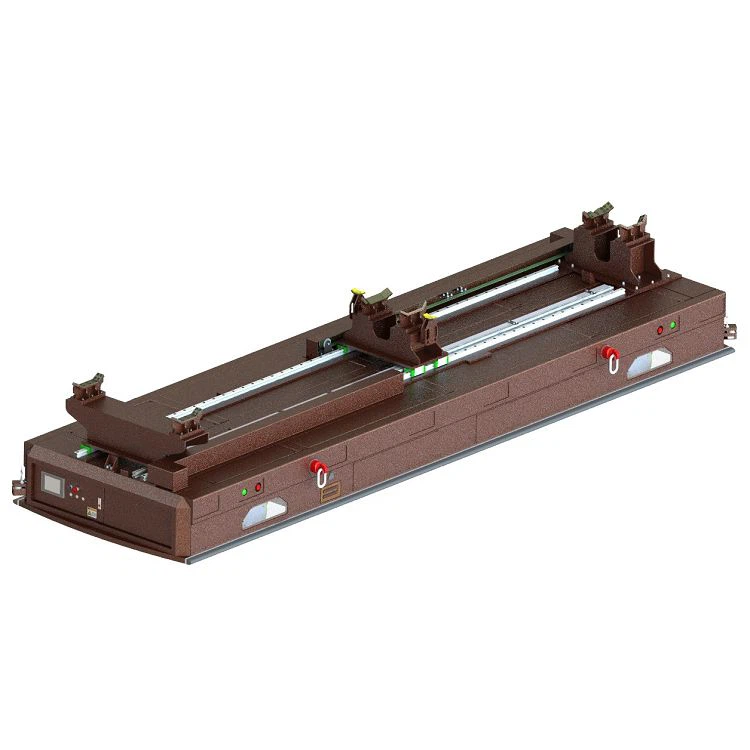
One of our flagship products is the Outdoor Heavy Duty Navigation AGV, which is specifically designed for use in outdoor port applications. This AGV is capable of carrying heavy loads over long distances, making it ideal for transporting large containers between the quay and the container yard. With its advanced navigation system and robust construction, the Outdoor Heavy Duty Navigation AGV offers exceptional performance and reliability, ensuring the smooth and efficient operation of your port.
In addition to our standard Port Transport AGVs, we also offer customized solutions that can be tailored to your specific requirements. Whether you need a unique AGV design, a specialized lifting mechanism, or a custom control system, our team of experts can work with you to develop a solution that meets your exact needs.
Contact Us for Procurement and Consultation
If you are interested in learning more about our Port Transport AGVs and how they can improve the efficiency and productivity of your port operations, we encourage you to contact us. Our team of experienced sales and technical professionals is available to answer your questions, provide detailed product information, and assist you with the procurement process.
We understand that every port is unique, and we are committed to providing customized solutions that meet your specific needs. Whether you are looking to upgrade your existing container handling system or implement a new automated solution, we have the expertise and experience to help you achieve your goals.
References
- Levinson, M. (2006). The Box: How the Shipping Container Made the World Smaller and the World Economy Bigger. Princeton University Press.
- Notteboom, T., & Rodrigue, J.-P. (2005). Port Hinterland Concepts: Typology and Empirical Assessment. Journal of Transport Geography, 13(3), 187-203.
- Taniguchi, E., & Thompson, R. G. (2002). Intelligent Transport Systems in Ports: A Review. Maritime Policy & Management, 29(4), 339-351.


