

As a supplier of Flexible Assembly Line Automated Guided Vehicles (AGVs), I understand the critical role that well - trained operators play in the efficient and safe operation of these advanced systems. In this blog, I will delve into the training requirements for operators of Flexible Assembly Line AGVs, highlighting the key aspects that are essential for a successful implementation.

Understanding the Basics of AGVs
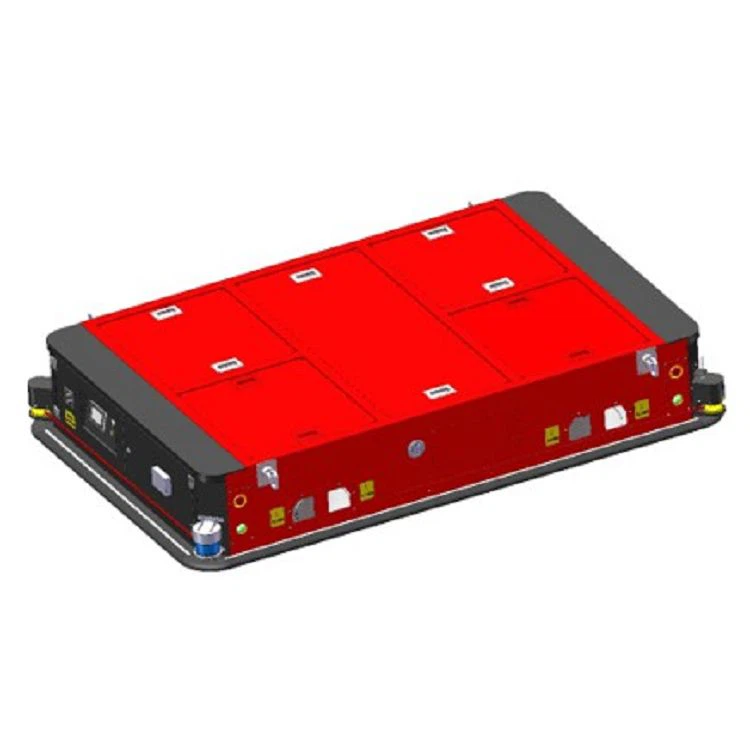
Before any hands - on training, operators need to have a solid understanding of what AGVs are and how they function. An AGV is a mobile robot that follows markers or wires in the floor, or uses vision, magnets, or lasers for navigation. In a flexible assembly line, AGVs are used to transport materials, components, and finished products between different workstations, providing a high degree of flexibility and automation.
Operators should be educated about the different types of AGVs available in our product range. For instance, we offer Unmanned Conveyor AGVs, which are designed to handle conveyor - based material handling tasks. These AGVs can transport items along a defined path, allowing for seamless integration with existing conveyor systems. Another type is the Backpack Lifting AGVs, which are capable of lifting and transporting heavy loads. They are equipped with a lifting mechanism on their backs, enabling them to pick up and move items such as pallets or large components. Additionally, our Omni Direction AGVs offer exceptional maneuverability. These AGVs can move in all directions, including sideways and diagonally, which is extremely useful in tight spaces and complex assembly line layouts.
Safety Training
Safety is of utmost importance when operating AGVs. Operators must be trained on the safety features of the AGVs and the safety procedures to follow in the workplace.
Firstly, operators should be familiar with the emergency stop mechanisms of the AGVs. Every AGV is equipped with an emergency stop button that, when pressed, immediately halts the vehicle's movement. Operators need to know the location of these buttons and how to use them in case of an emergency.
Secondly, they should understand the safety sensors installed on the AGVs. These sensors are designed to detect obstacles in the AGV's path and automatically stop the vehicle to prevent collisions. Operators should be aware of the range and functionality of these sensors and how to troubleshoot if they malfunction.
In addition, safety training should cover the proper use of personal protective equipment (PPE). Operators may be required to wear safety shoes, helmets, and high - visibility vests when working around AGVs. They should also be trained on how to safely interact with the AGVs, such as not standing in the path of a moving AGV and not attempting to manually override the AGV's safety systems.
Technical Training
Technical training is a crucial part of the operator training program. Operators need to have a good understanding of the AGV's control system, programming, and maintenance.
Regarding the control system, operators should learn how to start, stop, and navigate the AGV using the control panel or a remote control device. They should be able to input simple commands, such as setting the AGV's destination or adjusting its speed.
Programming skills are also important, especially for more complex operations. Operators may need to program the AGV to follow a specific route, perform multiple tasks at different workstations, or interact with other equipment in the assembly line. Our AGVs are designed with user - friendly programming interfaces, but operators still need to be trained on the basic programming concepts and syntax.
Maintenance training is essential to ensure the long - term reliability of the AGVs. Operators should be trained on how to perform basic maintenance tasks, such as checking the battery level, cleaning the AGV's sensors, and inspecting the wheels and drive systems. They should also be able to identify common problems and report them to the maintenance team in a timely manner.
Operational Training
Operational training focuses on how to use the AGVs effectively in the context of the flexible assembly line.
Operators should learn how to load and unload materials onto the AGVs safely and efficiently. This includes understanding the weight limits and balance requirements of the AGVs to prevent overloading and ensure stable transportation.
They also need to be trained on how to coordinate with other workers in the assembly line. For example, they should know when to deliver materials to a workstation based on the production schedule and how to communicate with the workers at the workstation to ensure a smooth handover.
In addition, operators should be familiar with the production processes in the assembly line. They should understand how the AGVs fit into the overall production flow and how their actions can impact the efficiency of the entire line.
Simulation and Hands - on Training
To reinforce the theoretical knowledge gained from safety, technical, and operational training, simulation and hands - on training are essential.
Simulation training allows operators to practice operating the AGVs in a virtual environment. This can help them familiarize themselves with the control system and programming without the risk of causing damage to the actual AGVs or the production line. Simulators can also be used to simulate various scenarios, such as emergencies or system malfunctions, to train operators on how to respond appropriately.
Hands - on training gives operators the opportunity to operate the real AGVs under the supervision of experienced trainers. This practical experience is invaluable as it allows operators to apply what they have learned in a real - world setting. They can gain confidence in their skills and learn how to handle unexpected situations that may arise during normal operation.
Continuous Training and Development
The field of AGV technology is constantly evolving, and new features and capabilities are being introduced regularly. Therefore, continuous training and development are necessary for operators to keep up with the latest advancements.
We, as a Flexible Assembly Line AGV supplier, offer regular training updates to our customers' operators. These updates may include training on new AGV models, software upgrades, and improved safety procedures. By participating in these continuous training programs, operators can enhance their skills and knowledge, which in turn can improve the overall performance of the flexible assembly line.
Conclusion
In conclusion, the training requirements for operators of Flexible Assembly Line AGVs are comprehensive and multi - faceted. They include understanding the basics of AGVs, safety training, technical training, operational training, simulation and hands - on training, and continuous training and development.
If you are interested in our Flexible Assembly Line AGVs and would like to discuss the training programs for your operators or have any other questions regarding procurement, please feel free to contact us. We are committed to providing high - quality AGV products and excellent training support to help you achieve a more efficient and flexible assembly line.
References
- "Automated Guided Vehicle Systems: Technology, Implementation, and Management" by John A. White
- Industry standards and guidelines for AGV operation and safety


