

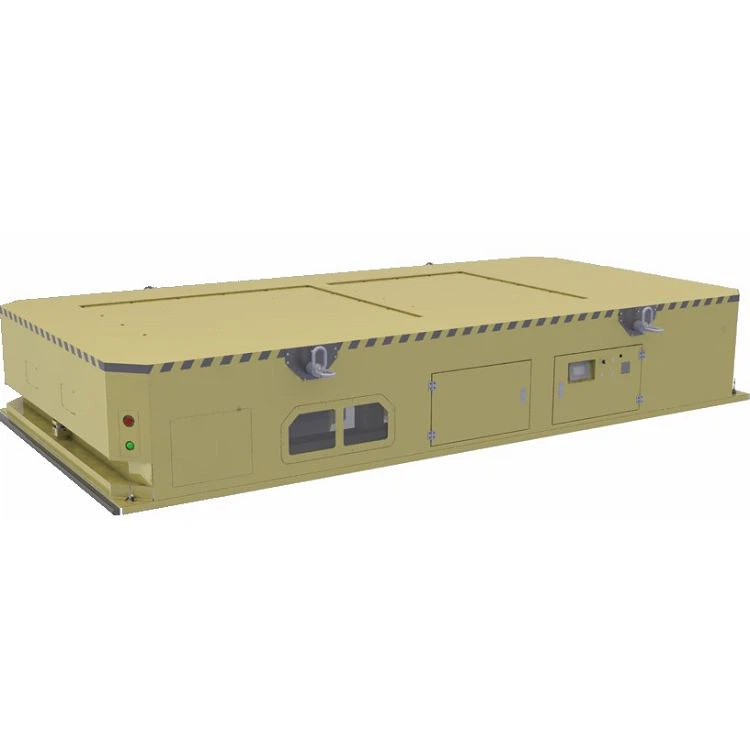
As a supplier of Unmanned Conveyor AGVs, I am thrilled to share with you the main features of these remarkable automated guided vehicles. Unmanned Conveyor AGVs are revolutionizing the material handling industry, offering a wide range of benefits that enhance efficiency, productivity, and safety in various industrial settings.
High - Precision Navigation
One of the most prominent features of Unmanned Conveyor AGVs is their high - precision navigation system. These AGVs are equipped with advanced sensors such as laser scanners, cameras, and inertial measurement units. The laser scanners can create a detailed map of the surrounding environment in real - time. By continuously comparing the current scan data with the pre - mapped environment, the AGV can accurately determine its position within the workspace.
For example, in a large warehouse with multiple aisles and storage racks, the AGV can navigate through the narrow spaces with an accuracy of within a few millimeters. This high - precision navigation allows for seamless integration into existing production and storage layouts, reducing the need for extensive modifications to the facility.
Flexible Conveyor Integration
Unmanned Conveyor AGVs come with a variety of conveyor types that can be customized to meet specific application requirements. Whether it's a roller conveyor for transporting heavy pallets or a belt conveyor for more delicate items, these AGVs can be configured accordingly.
The conveyors on the AGVs are designed to interface smoothly with other conveyor systems in the facility, such as in - plant conveyor lines or loading docks. This seamless integration enables the efficient transfer of goods between different stages of the production or distribution process. For instance, an AGV can pick up a product from a manufacturing line and transfer it directly to a shipping area without any manual intervention.
Adaptability to Different Loads
These AGVs are capable of handling a wide range of loads, from small, lightweight components to large, heavy - duty items. The load - carrying capacity can vary from a few kilograms to several tons, depending on the model and design of the AGV.
For industries that deal with heavy loads, such as automotive manufacturing or steel production, the All Direction Heavy Load AGVs can be a great choice. These AGVs are specifically engineered to handle large and heavy parts with ease, providing a reliable solution for material transportation within the plant.
Autonomous Operation
Unmanned Conveyor AGVs operate autonomously, which means they can perform their tasks without the need for human operators. They are programmed to follow predefined routes and schedules, and can also make real - time decisions based on the changing conditions in the environment.
For example, if an obstacle is detected on the AGV's path, it can automatically reroute to avoid the obstruction and continue its mission. This autonomous operation not only reduces labor costs but also improves the overall efficiency of the material handling process by minimizing downtime caused by human errors or breaks.
Safety Features
Safety is of utmost importance in any industrial environment, and Unmanned Conveyor AGVs are equipped with a comprehensive set of safety features. In addition to the sensors used for navigation, these AGVs are also fitted with safety bumpers, emergency stop buttons, and warning lights.
The safety bumpers are designed to detect physical contact with objects or people. When a collision is imminent, the AGV will immediately stop to prevent any damage or injury. The emergency stop buttons provide an additional layer of safety, allowing operators to halt the AGV's operation in case of an emergency. The warning lights and audible alarms notify people in the vicinity of the AGV's presence, reducing the risk of accidents.
Remote Monitoring and Management
Another significant feature of Unmanned Conveyor AGVs is the ability to be remotely monitored and managed. Through a centralized control system, operators can monitor the status of multiple AGVs in real - time, including their location, battery level, and task progress.
This remote monitoring allows for proactive maintenance and troubleshooting. For example, if an AGV's battery level is low, the control system can automatically assign it to a charging station. Additionally, operators can make changes to the AGV's routes or schedules remotely, providing flexibility in response to changing production demands.
Omni - Directional Mobility
Some Unmanned Conveyor AGVs, such as the Omni Direction AGVs, offer omni - directional mobility. This means they can move in any direction, including forward, backward, sideways, and even rotate on the spot.
This omni - directional mobility provides greater flexibility in tight spaces and complex layouts. For example, in a congested warehouse where space is limited, an omni - directional AGV can easily maneuver between racks and pick up or drop off goods without the need for large turning radii.
Cost - Effectiveness
When considering the long - term benefits, Unmanned Conveyor AGVs are a cost - effective solution for material handling. Although the initial investment may be relatively high, the savings in labor costs, increased productivity, and reduced damage to goods over time make them a worthwhile investment.
By automating the material handling process, companies can reduce the number of workers required for manual transportation tasks. This not only reduces labor costs but also eliminates the associated costs of training, insurance, and benefits. Additionally, the high - precision operation of AGVs reduces the risk of product damage during transportation, resulting in fewer losses and improved profitability.
Easy Integration with Existing Systems
Unmanned Conveyor AGVs can be easily integrated with existing enterprise resource planning (ERP) systems, warehouse management systems (WMS), and manufacturing execution systems (MES). This integration allows for seamless data flow between different levels of the organization, enabling better coordination and optimization of the overall production and distribution process.
For example, the WMS can send orders to the AGV system, and the AGVs can update the WMS with real - time information about the location and status of the goods being transported. This integration ensures that all aspects of the material handling process are synchronized and efficient.
In conclusion, Unmanned Conveyor AGVs offer a wide range of features that make them an ideal solution for modern material handling needs. Their high - precision navigation, flexible conveyor integration, adaptability to different loads, autonomous operation, safety features, remote monitoring, omni - directional mobility, cost - effectiveness, and easy integration with existing systems provide significant advantages for industries looking to improve their efficiency and productivity.
If you are interested in learning more about our Unmanned Conveyor AGVs or would like to discuss your specific material handling requirements, please feel free to contact us for a detailed consultation and procurement negotiation.
References

- Industry research reports on automated guided vehicles
- Technical specifications of Unmanned Conveyor AGVs from leading manufacturers
- Case studies of successful implementation of Unmanned Conveyor AGVs in industrial settings


