


I'm a supplier in the factory area transfer business. Today, I wanna chat about the information disclosure requirements in factory area transfer. It's super important for both us suppliers and the potential buyers out there.
First off, let's talk about why information disclosure is a big deal. When we're transferring a factory area, the buyer needs to know what they're getting into. Just like when you're buying a used car, you wanna know its history, any problems it might have, and what features it comes with. In the same way, when someone's looking to buy a factory area, they need a whole bunch of info to make an informed decision.
One of the key things we need to disclose is the physical condition of the factory area. This includes details about the buildings, like the age of the structures. Older buildings might have more wear and tear, and there could be hidden issues like structural damage or outdated electrical systems. We also need to mention any recent repairs or renovations. For example, if we've just replaced the roof, that's good news for the buyer as it means they won't have to worry about leaks for a while.
Another important aspect is the land. We need to tell the buyer about the size of the land, its topography, and any environmental issues. Is the land flat and easy to build on, or is it hilly and might require some extra work? And if there are any environmental concerns, like soil contamination or flood risks, we gotta be upfront about it. No one wants to buy a factory area only to find out later that they're dealing with a major environmental cleanup.
When it comes to the legal side of things, we have to disclose a ton of information. This includes the ownership of the factory area. We need to prove that we actually have the right to sell it and that there are no disputes over the title. There could be liens on the property, which are basically claims by creditors for unpaid debts. If there are any liens, the buyer needs to know so they can factor that into their decision.
We also have to provide details about the zoning regulations. Zoning determines what kind of activities can be carried out on the factory area. For example, if the area is zoned for light manufacturing, the buyer can't suddenly start a heavy industrial operation there without going through a long and potentially expensive re - zoning process.
Now, let's talk about the equipment and machinery in the factory area. If there are any machines included in the transfer, we need to disclose their condition, age, and maintenance history. A well - maintained machine is worth a lot more than one that's been neglected. For instance, if there's a large manufacturing machine that's been regularly serviced and has a long lifespan left, it adds value to the factory area.
In addition to the physical and legal aspects, we also need to share information about the market and the business that was previously operating in the factory area. This includes things like the customer base, if there were any long - term contracts, and the competition in the area. If the previous business had a loyal customer following, that's a big plus for the new buyer as it gives them a head start.
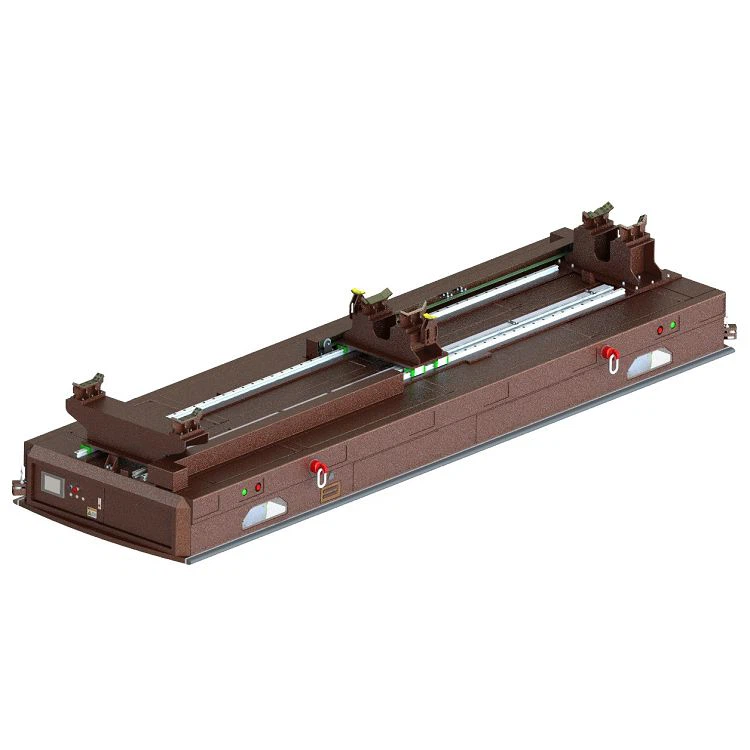
Let's take a look at some specific types of factory areas. If we're talking about a factory area that specializes in wind power and power generation, like the Wind Power And Power Generation AGVs, there are some unique information disclosure requirements. We need to tell the buyer about the technology used in the AGVs (Automated Guided Vehicles), their efficiency, and any safety features.
For a Wind Turbine Transport Mover AGV, we have to disclose details about its load - carrying capacity, the range it can cover, and any special handling requirements. This is crucial because wind turbine parts are often large and heavy, and the AGV needs to be able to handle them safely.
And for an Outdoor Heavy Duty Navigation AGV, we need to share information about its navigation system, how it performs in different weather conditions, and its durability. Outdoor AGVs are exposed to the elements, so the buyer needs to know that the AGV can withstand rain, snow, and extreme temperatures.
So, as you can see, there are a whole bunch of information disclosure requirements in factory area transfer. It might seem like a lot of work, but it's all for the good of both parties. By being transparent, we build trust with the buyer, and they can make a decision that's right for them.
If you're interested in factory area transfer and have any questions or want to start a procurement discussion, don't hesitate to reach out. Whether you're looking for a factory area for wind power, heavy - duty operations, or any other industry, I'm here to help you navigate through the process and make sure you get all the information you need.
References
- General real - estate disclosure guidelines
- Industry - specific regulations for factory area transfer


