


Operating Unmanned Conveyor Automated Guided Vehicles (AGVs) involves various costs that potential buyers need to understand. As a supplier of Unmanned Conveyor AGVs, I am here to break down these costs comprehensively.
Initial Purchase Cost
The first significant expense is the initial purchase price of the Unmanned Conveyor AGVs. This cost varies depending on several factors such as the type of AGV, its load - carrying capacity, and the level of technology incorporated.
Type of AGV
We offer different types of AGVs, each with its own price range. For instance, Omni - Directional Lift AGVs are highly versatile, capable of moving in multiple directions. Their advanced maneuverability comes at a relatively higher cost compared to more basic models. These AGVs are ideal for applications where space is limited and precise positioning is required.
On the other hand, Backpack Lifting AGVs are designed for lighter loads and are often used in assembly line operations. They are more cost - effective in terms of initial purchase, making them a popular choice for small to medium - sized enterprises with less complex material handling needs.
Laser Guided Heavy Load AGVs are engineered to handle large and heavy payloads. The sophisticated laser guidance system and the robust construction necessary to carry heavy loads contribute to a higher initial price. These AGVs are commonly used in industries such as automotive manufacturing and heavy machinery production.
Load - Carrying Capacity
AGVs with higher load - carrying capacities generally cost more. A small - scale AGV that can carry a few hundred kilograms will be less expensive than a large - scale AGV designed to transport several tons. The materials used in the construction, the size of the motors, and the complexity of the control systems all increase with the load - carrying capacity, which in turn drives up the price.
Installation and Integration Costs
Once the AGVs are purchased, there are installation and integration costs to consider.
Infrastructure Modification
In many cases, the existing facility may need to be modified to accommodate the AGVs. This could involve installing guiding systems such as magnetic tapes, laser reflectors, or setting up charging stations. The cost of these infrastructure modifications depends on the size of the facility and the complexity of the AGV system. For example, a large warehouse may require a more extensive network of guiding elements, which will increase the installation cost.
Software Integration
Integrating the AGV system with the existing enterprise resource planning (ERP) or warehouse management system (WMS) is crucial for seamless operation. This requires software development and customization. The cost of software integration varies depending on the compatibility of the existing systems and the level of functionality required. For instance, if the AGV system needs to be fully integrated with real - time inventory management, the software development cost will be relatively high.
Operational Costs
The day - to - day operation of Unmanned Conveyor AGVs also incurs costs.
Energy Consumption
AGVs are powered by electricity, and the energy consumption depends on factors such as the size of the AGV, the load it carries, and the frequency of operation. Larger AGVs with more powerful motors will consume more energy. However, modern AGVs are designed to be energy - efficient, with features such as regenerative braking that can reduce energy consumption. On average, the energy cost of operating an AGV can range from a few dollars to tens of dollars per day, depending on the usage.
Maintenance and Repairs
Regular maintenance is essential to ensure the reliable operation of AGVs. This includes tasks such as battery replacement, tire maintenance, and software updates. The cost of maintenance depends on the type of AGV and the manufacturer's recommended maintenance schedule. Additionally, unexpected breakdowns may occur, requiring repairs. The cost of repairs can vary widely depending on the nature of the problem. For example, a simple sensor replacement may cost a few hundred dollars, while a major motor failure could cost several thousand dollars.
Labor for Supervision and Management
Although AGVs are unmanned, they still require some level of human supervision and management. Operators are needed to monitor the AGV system, handle exceptions, and perform basic troubleshooting. The labor cost associated with AGV operation depends on the number of AGVs in the system and the complexity of the operation. In a large - scale AGV deployment, a team of operators may be required, which can significantly add to the operational cost.

Training Costs
Training is an important aspect of implementing an AGV system. Employees need to be trained on how to operate, maintain, and troubleshoot the AGVs. The training cost includes the cost of trainers, training materials, and the time spent by employees in training. The duration and complexity of the training depend on the type of AGV and the level of expertise required. For example, training for operating a simple Backpack Lifting AGV may take a few days, while training for a complex Laser Guided Heavy Load AGV system may take several weeks.
Long - Term Cost Considerations
When evaluating the cost of operating Unmanned Conveyor AGVs, it is important to consider the long - term benefits.
Increased Productivity
AGVs can significantly increase productivity by automating material handling tasks. They can operate 24/7 without breaks, reducing the time required for material transportation. This increased productivity can lead to higher output and potentially higher profits. Over time, the cost savings from increased productivity can offset the initial and operational costs of the AGV system.

Reduced Labor Costs
By automating material handling, AGVs can reduce the need for manual labor. In industries where labor costs are high, this can result in significant cost savings in the long run. Although there is still a need for some human supervision, the overall labor requirement is much lower compared to a manual material handling system.
Improved Quality and Safety
AGVs are programmed to perform tasks with high precision, reducing the risk of errors and product damage. They also improve safety in the workplace by eliminating the need for human operators to perform potentially dangerous tasks. These benefits can lead to cost savings in terms of reduced product waste and fewer workplace accidents.
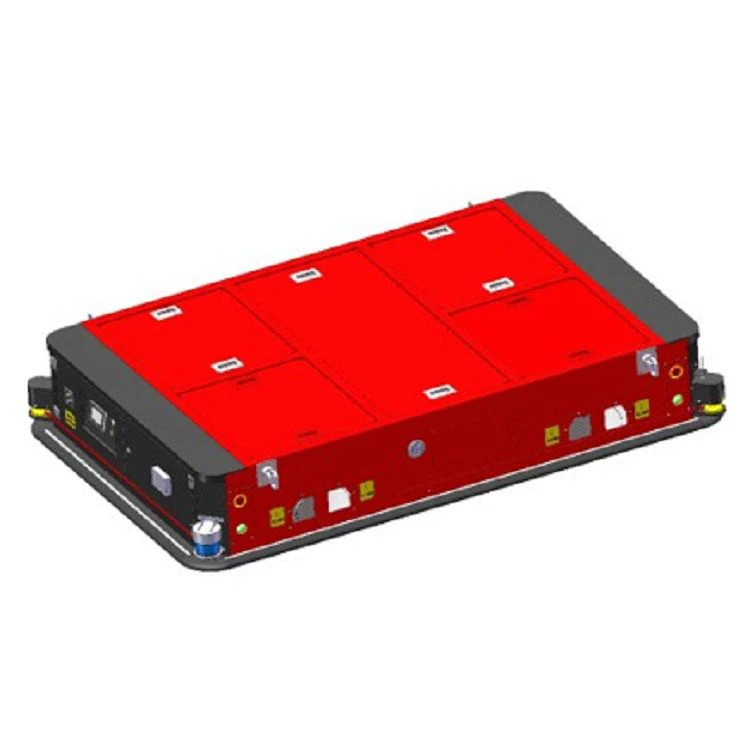
In conclusion, the cost of operating Unmanned Conveyor AGVs is a complex equation that includes initial purchase, installation, operation, training, and long - term considerations. However, the benefits of increased productivity, reduced labor costs, and improved quality and safety often make the investment worthwhile.
If you are interested in learning more about our Unmanned Conveyor AGVs or discussing the cost - effectiveness of implementing an AGV system in your facility, please feel free to contact us for a detailed consultation and procurement discussion.
References
- Tanchoco, J. M. A., & Kuo, Y. - H. (1990). Design and analysis of automated guided vehicle systems. Prentice - Hall.
- De Koster, R., Le - Donne, L., & van der Poel, E. (2007). A literature review of design and control of automated guided vehicle systems. European Journal of Operational Research, 182(2), 434 - 451.
- Tompkins, J. A., White, J. A., Bozer, Y. A., & Tanchoco, J. M. A. (2010). Facilities planning (4th ed.). Wiley.


