


Unmanned Conveyor Automated Guided Vehicles (AGVs) have revolutionized the industrial landscape, offering efficient and flexible material handling solutions. As a leading supplier of Unmanned Conveyor AGVs, we often receive inquiries about the feasibility of using these vehicles outdoors. In this blog post, we will explore the possibilities, challenges, and considerations associated with outdoor use of Unmanned Conveyor AGVs.
The Potential of Outdoor Use
The demand for outdoor material handling solutions has been on the rise, driven by various industries such as logistics, manufacturing, and agriculture. Unmanned Conveyor AGVs offer several advantages that make them suitable for outdoor applications.
One of the key benefits is their ability to operate autonomously. These vehicles can navigate predefined paths, avoiding obstacles and adapting to changing environments. This makes them ideal for outdoor settings where human intervention may be limited or challenging. For example, in large warehouses or distribution centers, Unmanned Conveyor AGVs can transport goods between different buildings or storage areas without the need for constant supervision.
Another advantage is their flexibility. Unmanned Conveyor AGVs can be easily programmed to follow different routes and perform various tasks. This allows for efficient material flow management, even in complex outdoor layouts. Additionally, these vehicles can be integrated with other automated systems, such as robotic arms or conveyor belts, to create a seamless production line. For more information on our flexible assembly line AGVs, including Mobile Production Line AGVs, please visit our website.
Challenges of Outdoor Use
While Unmanned Conveyor AGVs offer significant potential for outdoor applications, there are also several challenges that need to be addressed.
One of the main challenges is the harsh outdoor environment. Exposure to extreme temperatures, humidity, dust, and precipitation can affect the performance and reliability of the AGVs. For example, high temperatures can cause the batteries to overheat, while dust and moisture can damage the electronic components. To mitigate these risks, our Unmanned Conveyor AGVs are designed with robust enclosures and protective coatings to ensure durability and resistance to environmental factors. For more details on our Unmanned Conveyor AGVs, please visit our product page.
Another challenge is the uneven terrain and obstacles commonly found outdoors. Unlike indoor environments, outdoor areas may have rough surfaces, potholes, or unexpected obstacles such as trees or vehicles. To overcome these challenges, our AGVs are equipped with advanced navigation systems and sensors that can detect and avoid obstacles in real-time. Additionally, they are designed with high ground clearance and robust suspension systems to ensure smooth operation on uneven terrain.
Considerations for Outdoor Use
Before deploying Unmanned Conveyor AGVs outdoors, several considerations need to be taken into account.
First, a detailed site assessment should be conducted to evaluate the suitability of the outdoor environment. This includes analyzing the terrain, weather conditions, and potential obstacles. Based on the assessment, appropriate modifications or adaptations may be required to ensure the safe and efficient operation of the AGVs.

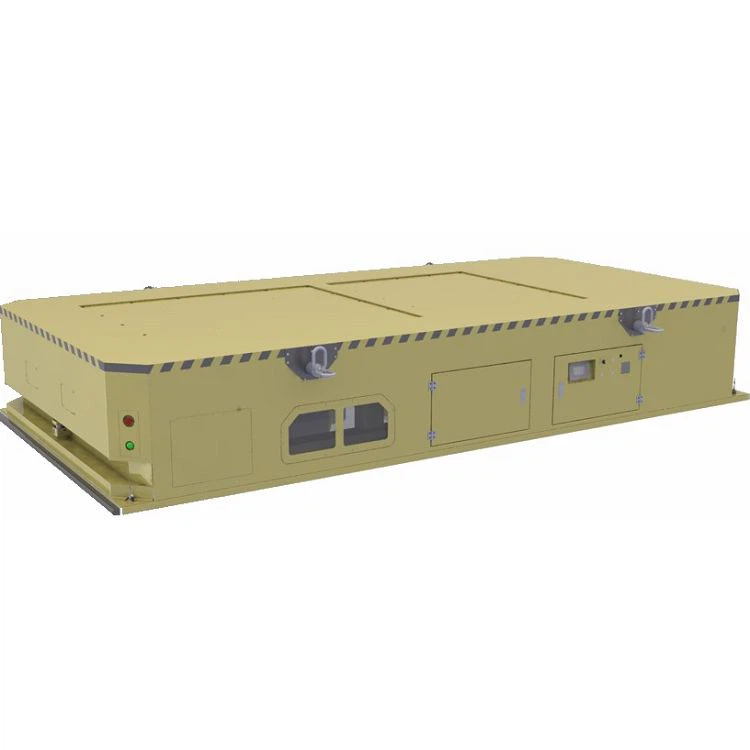
Second, the communication infrastructure needs to be carefully planned. Outdoor environments may have limited wireless coverage or interference, which can affect the communication between the AGVs and the control system. To ensure reliable communication, we recommend installing a dedicated wireless network or using alternative communication technologies such as satellite communication.
Third, regular maintenance and monitoring are essential to ensure the long-term performance and reliability of the AGVs. Outdoor use can expose the vehicles to more wear and tear, so it is important to schedule regular inspections, cleaning, and servicing. Additionally, remote monitoring systems can be used to track the performance of the AGVs and detect any potential issues early.
Conclusion
In conclusion, Unmanned Conveyor AGVs can be used outdoors, but it requires careful planning, design, and implementation. As a leading supplier of Unmanned Conveyor AGVs, we have the expertise and experience to provide customized solutions for outdoor applications. Our Omni Direction AGVs are designed to meet the unique challenges of outdoor environments, offering high performance, reliability, and flexibility.
If you are interested in exploring the possibilities of using Unmanned Conveyor AGVs for your outdoor material handling needs, we encourage you to contact us for a consultation. Our team of experts will be happy to discuss your requirements and provide you with a tailored solution.
References
- "Automated Guided Vehicles: Technology, Implementation, and Applications" by David A. Buzacott and John G. Shanthikumar
- "Outdoor Automated Guided Vehicle Systems: Design, Deployment, and Management" by Thomas R. Cutler
- "Unmanned Conveyor AGVs: A Comprehensive Guide" by our company's technical team


