


Natural Navigation Automated Guided Vehicles
Tianjin Lonyu Robot : Your Trustworthy Electric Vehicle Lithium Ion Battery Supplier!
Our company is a heavy-duty AGV company with the business philosophy of focus, professionalism, pragmatism and development. Langyu has been committed to professional R&D and production in the field of heavy-duty AGV and smart factory smart logistics. We have more than 50 patents (9 invention patents) and specialize in providing customers with heavy-duty intelligent logistics management systems supported by intelligent logistics technology, industrial Internet of Things, big data center and other technologies to solve the problem of intelligent transportation materials for large goods.
Products Widely Used
The products produced by our company can be widely used in the production, assembly, transportation and production of large workpieces (over-length, over-weight) in aviation, aerospace, military industry, high-speed rail, wind power, metallurgy, engineering machinery, ships, ports, airports, heavy industry and other industries. store.
Innovating
Our company has more than 50 patents, including 9 invention patents. Secondly, we have 131 independent core patents. And most of the products have passed CE, REACH, SGS, FCC and other certifications.
Customizable
Our team has 15 years of professional R&D and production experience in the field of smart logistics and can meet the needs of different markets and customers.
Wide Range of Cooperative Merchants
Since its establishment, our company has cooperated with well-known companies around the world, such as Tesla, Siemens, FAW Toyota, Jinfeng Technology, CAT, JLG and other well-known companies.
Related product introduction
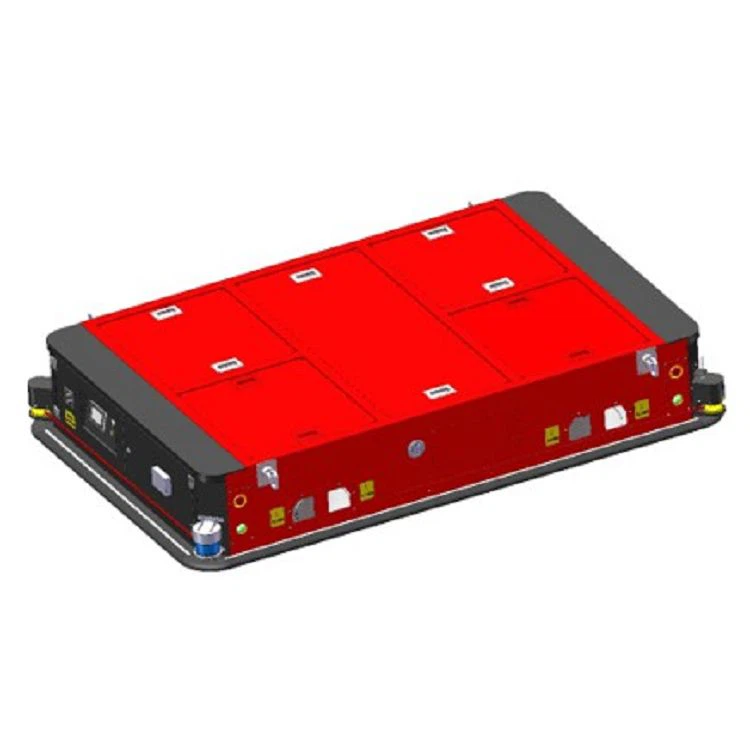
Backpack lifting AGVs (Automated Guided Vehicles) are robots designed to carry and transport heavy loads in a warehouse or manufacturing facility. They are equipped with a lifting mechanism resembling a backpack, enabling them to lift and transport items with ease. These AGVs are guided by a computerized control system and can navigate through a facility autonomously, picking and placing items at designated locations. They are extremely useful in manufacturing and warehousing industries, where heavy lifting is required and human labor is costly and hazardous. Additionally, backpack lifting AGVs help improve efficiency and productivity by reducing the time and effort required to transport goods.

Omni Directional Automated Guided Vehicles (AGVs) are robotic vehicles that can move in any direction and rotate on their own axis. These AGVs are equipped with multi-directional wheels or rollers that allow them to move sideways, diagonally, or in circular paths, as well as forward and backward. This makes them highly versatile and suitable for applications in manufacturing, warehousing, and logistics, where they can move materials and products with precision and efficiency. Omni-directional AGVs often use advanced navigation systems such as laser sensors, vision systems, and magnetic guidance to navigate complex environments and avoid collisions with obstacles.

All Direction Heavy Load AGVs refer to a type of Automated Guided Vehicle (AGV) that is designed to carry heavy loads in any direction. These AGVs are equipped with omnidirectional wheels that allow them to move in any direction, including sideways, diagonally, or even rotating around a central point. They are commonly used in factories, warehouses, and other industrial settings to transport heavy loads such as metal sheets, large machinery, or palletized goods. All Direction Heavy Load AGVs offer high flexibility and can navigate through tight spaces and crowded areas without requiring any human assistance.

Omni-Directional Lift AGVs are a type of Automated Guided Vehicles (AGVs) that are capable of moving in any direction and can also lift and transport materials and products. These AGVs use a combination of robotics, sensors, and software to navigate and communicate with their surroundings, allowing them to follow pre-programmed routes or adapt to changing environments. The lift feature allows them to pick up and transport heavy materials, saving time and reducing the risk of injury to human workers. These AGVs are commonly used in manufacturing facilities, warehouses, and distribution centers to improve productivity and efficiency.
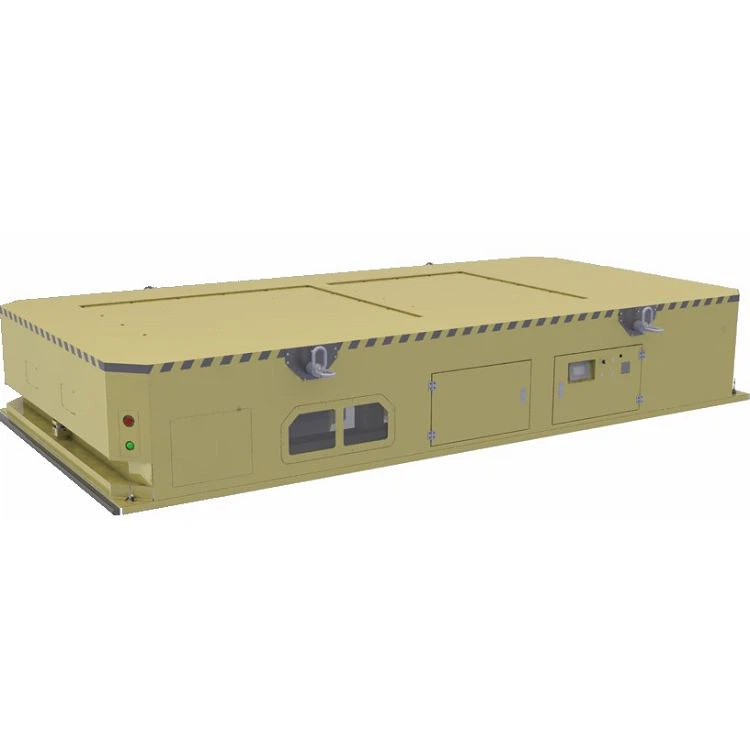
Unmanned Conveyor Automated Guided Vehicles (AGVs) are driverless, automated vehicles used for material transportation in manufacturing, warehouse and logistics industries. They are equipped with sensors, cameras and navigation technology that allows them to move autonomously from a starting point to a destination point without needing a human operator. They are typically used in environments where repetitive and low-skilled tasks are performed, such as moving raw materials or finished products from one location to another. Conveyor AGVs are specifically designed to move along a conveyor system, allowing automatic loading and unloading of materials at predetermined points, enabling seamless material flow throughout the production line.

Flexible Assembly Line AGV stands for "Automated Guided Vehicle" and refers to a robot that is designed to transport items and materials along a flexible assembly line. These types of AGVs are useful in industrial manufacturing settings where the production line may need to be reconfigured or reorganized frequently. They are equipped with sensors and guidance systems that allow them to navigate the assembly line and carry out tasks such as transporting components, delivering products, and assisting with assembly or disassembly processes. The flexibility of the AGV allows it to adapt to changes in the production line and help streamline manufacturing processes, increase efficiency and minimize human errors.

Natural Navigation Automated Guided Vehicles
Natural Navigation Automated Guided Vehicles (AGVs) are vehicles that use natural navigation technology to move around an environment without relying on pre-installed infrastructure or external navigational aids. These vehicles use sensors and algorithms to navigate using natural features such as walls, floors, and ceilings, and can adjust their movements based on changes in the environment such as obstacles or shifting surfaces. Natural Navigation AGVs are commonly used in manufacturing and logistics settings to transport materials and products around a facility, and are known for their flexibility and adaptability to changing environments without the need for costly modifications.

Magenetic Strip Navigation AGVs
Magnetic strip navigation AGVs are autonomous guided vehicles that use magnetic strips on the floor to navigate and follow a specific path. The magnetic strips emit a magnetic field that is detected by sensors on the underside of the AGV. The AGV follows the path set by the magnetic strips, and can be programmed to stop, start, turn, and even park in designated areas. Magnetic strip navigation AGVs are commonly used in industrial settings, such as manufacturing plants, warehouses, and distribution centers, to transport materials and products autonomously.
Laser Guided Heavy Load AGVs are automated guided vehicles (AGVs) that use laser sensors to navigate and guide the movement of heavy loads. These AGVs are designed to transport heavy loads, such as pallets and containers, around a manufacturing facility or warehouse without requiring human intervention. The laser sensors are used to create a map of the environment and calculate the most efficient path for the AGV to follow. This technology allows for increased efficiency, safety, and precision in material handling processes.
Features of Laser Guided Heavy Load AGVs
Laser-guided AGVs have a unique navigation system that enables them to travel along designated paths. These vehicles use lasers, reflectors, and sensors to map out their surroundings and create a 3D view of the environment. The laser-guided navigation system is composed of a combination of sensors that help the AGV to navigate accurately and precisely in a variety of environments.
One of the most critical features of laser-guided heavy load AGVs is their ability to handle extremely heavy loads. These vehicles are capable of carrying loads of up to 50,000 pounds or more, making them ideal for transporting bulky and heavy materials. Their load carrying capacity makes them an excellent choice for industries in which large, heavy objects need to be moved frequently.
Laser-guided heavy load AGVs are designed to be robust and durable. They are built to withstand the rigors of continuous operation in harsh environments. These vehicles are equipped with high-quality components and materials that ensure they can handle the workload and stress of heavy load transport. Their durability makes them an excellent investment for businesses that require reliable material handling solutions.
The laser guidance system used in these AGVs is highly precise, allowing them to follow a pre-determined route with accuracy. This minimizes the risk of collisions and ensures that the AGV will arrive at its destination safely.
Parts of Laser Guided Heavy Load AGVs

Laser Navigation System
The laser navigation system is the most critical part of an AGV that allows it to move autonomously. The system consists of a laser scanner that constantly scans the surrounding environment and feeds information to the vehicle's computer, which uses it to calculate the optimal path for the AGV to follow. The laser navigation system is incredibly accurate, and it allows an AGV to move with precise movements, even in a dynamic environment.
Load Handling Equipment
Heavy load AGVs are designed to handle and transport heavy materials, and the load handling equipment is an essential part of these vehicles. The load handling equipment can vary depending on the specific application and industry requirements. It can range from simple forks to more advanced systems, such as clamps and grippers, depending on the shape and weight of the material being transported.


Drive Unit
The drive unit is the part of the AGV that provides the vehicle's power and enables it to move. The drive unit can be electric or hydraulic, and it is responsible for the AGV's acceleration, deceleration, and turning. The drive unit is connected to the load handling equipment and the laser navigation system, ensuring smooth and accurate movement of the materials.
Computer System
The computer system is the brains of the AGV. It controls every action of the vehicle, from movement to load handling. The computer system stores all the necessary information and maps about the surrounding environment. It also communicates with the laser navigation system to ensure the AGV follows the pre-programmed path and avoids any obstacles or hazards.

How to Choose Laser Guided Heavy Load AGVs
Load Capacity
One of the most important factors to consider when selecting a laser-guided heavy-duty AGV is its load capacity. The AGV's ability to handle the maximum load weight requires a thorough analysis. Any form of overloading can result in serious safety hazards, damage to the AGV or its surroundings, and ultimately possible system failure. Therefore, it is crucial to choose an AGV with appropriate load capacity.
Navigation Accuracy
Ho An essential feature of an AGV is its reliable and accurate navigation capabilities. Laser-guided AGVs use sensors to scan their surroundings, allowing them to accurately detect their position. However, not all AGVs are created equal. Some AGVs are more accurate than others. It is important to consider the environment in which the AGV operates, such as wide open spaces, narrow aisles, or loading docks, which ultimately affects the accuracy of the AGV navigation system.
Security Features
In any AGV system, safety should always be the top priority. Laser-guided heavy-duty AGVs should include safety features such as built-in sensors to detect obstacles and slow or stop the AGV if necessary. Other safety features that should be considered include protective barriers, warning lights and sirens to alert operators and pedestrians.
Cost-Effectiveness
Cost-effectiveness is an important consideration for any AGV purchase. The cost of AGVs varies depending on the model, load capacity and number of AGVs required. It is important to weigh the initial purchase, installation, maintenance and repair costs of a laser-guided heavy-duty AGV against its expected return on investment (ROI).
Maintenance and Repair
AGVs require regular maintenance to ensure optimal performance and longevity. Maintenance procedures include software updates, battery inspection and replacement, and cleaning procedures. When purchasing a laser-guided heavy-duty AGV, it is important to consider the cost and availability of maintenance and repair services, as well as the logistics required to transport and repair the AGV in-house.
Regular Cleaning
AGVs operate in dusty and dirty environments, which wear out their mechanical components and sensors. Therefore, it is imperative to keep them clean and maintain their hygiene to prevent unwanted debris from clogging up their sensors. Cleaning should be done on a regular basis using a soft cloth to wipe dirt and dust off their exteriors and interiors.
Lubrication of Moving Parts
Like any other machine, AGVs have moving parts that require lubrication. Lubrication of these parts prevents friction from wearing down the parts and improves their longevity. You can use oils or grease to lubricate the parts. It is essential to read the manufacturer's instructions regarding lubrication, as inappropriate oil or over-lubrication could increase the risk of malfunction or damage.
Test Sensors
AGVs sensors are critical components that enable them to move around safely and avoid collisions with obstacles. It is essential to test the sensors regularly, as faulty sensors can cause AGVs to malfunction and damage. Periodic testing and maintenance of sensors can help detect any defects and eliminate them before they result in damage.
Check Battery Life
The battery is the heartbeat of AGVs, and proper care is essential to maximize their efficiency and lifespan. Monitoring the battery is crucial to ensuring optimal performance of AGVs. Checking the battery's life and performance on a regular basis enables you to take corrective measures when required so that it can perform at its best.
Ensure Software Updates and Maintenance
The AGVs software is the brain behind its operation, and proper maintenance is vital to ensure its optimal performance. Conducting regular software updates and maintenance ensures that the AGV is equipped with the latest software, patches, and updates, making it less prone to malfunction.
Warehousing and Distribution
Laser-guided heavy-duty AGVs are commonly used in warehousing and distribution operations to transport heavy loads over long distances. This reduces the need for manual labor, increases efficiency and reduces the risk of accidents. Laser guidance systems ensure AGVs follow precise paths, avoid obstacles and reduce the risk of damage or disruption to warehouse operations.
Manufacturing
In manufacturing plants, laser-guided heavy-duty AGVs are used to transport raw materials and finished goods throughout the facility. They can be programmed to follow specific paths or move according to production requirements, ensuring materials are delivered precisely when and where they are needed. This increases efficiency and reduces the risk of production delays.
Car Manufacturing
The automotive industry is one of the largest users of laser-guided heavy-duty AGVs. These vehicles are used to transport heavy vehicle parts such as engines and transmissions at assembly plants, reducing the need for manual labor and increasing production efficiency.
Aerospace Manufacturing
The aerospace industry also relies heavily on laser guidance for heavy-lift AGVs. These vehicles are used to transport heavy and precision components, such as aircraft wings, engines and fuselages, throughout the manufacturing process. The laser guidance system ensures that the AGV moves precisely and avoids any obstacles or hazards on the factory floor, reducing the risk of damage to expensive components.
Certificate


Frequently Asked Questions
Q: What is a Laser Guided Heavy Load AGV?
Q: How does a Laser Guided Heavy Load AGV work?
Q: What types of industries and applications are Laser Guided Heavy Load AGVs commonly used in?
Q: What is the carrying capacity of a typical Laser Guided Heavy Load AGV?
Q: How does a Laser Guided Heavy Load AGV navigate within a facility?
Q: What safety features are included in a Laser Guided Heavy Load AGV?
Q: What are the advantages of using Laser Guided Heavy Load AGVs in industrial settings?
Q: Are there any disadvantages or limitations to using Laser Guided Heavy Load AGVs?
Q: How are Laser Guided Heavy Load AGVs different from other types of AGVs?
Q: Can a Laser Guided Heavy Load AGV be programmed for different tasks and routes?
Q: How does maintenance and repair for a Laser Guided Heavy Load AGV differ from other AGVs?
Q: What types of sensors are used in a Laser Guided Heavy Load AGV?
Q: How does a Laser Guided Heavy Load AGV handle obstacles or unexpected changes in its environment?
Q: How does a Laser Guided Heavy Load AGV interact with human workers in a facility?
Q: Are there any special requirements for implementing a Laser Guided Heavy Load AGV system in a facility?
Q: What is the cost of a Laser Guided Heavy Load AGV system?
Q: How can a facility calculate the return on investment (ROI) for implementing a Laser Guided Heavy Load AGV system?
Q: What is the future of Laser Guided Heavy Load AGVs in industrial settings?
Q: What is the lifespan of a typical Laser Guided Heavy Load AGV?
Q: What is the future of Laser Guided Heavy Load AGVs in industrial settings?
Hot Tags: natural navigation automated guided vehicles, China natural navigation automated guided vehicles manufacturers, suppliers, factory, automated guided vehicles for reconfigurable assembly lines, flexible assembly line loading agvs, flexible assembly line logistics agvs, automated guided vehicles for flexible assembly solutions, agvs for smart assembly lines, Natural Navigation Automated Guided Vehicles
Previous
Omni-Directional Lift AGVsYou Might Also Like


Send Inquiry