

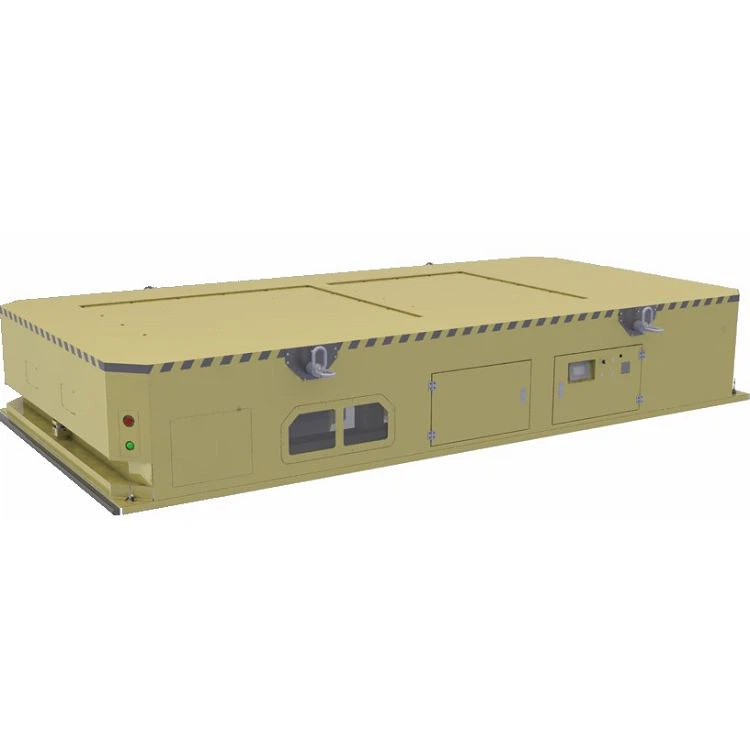
Electromagnetic compatibility (EMC) is a critical aspect in the design, operation, and performance of Laser Guided Heavy Load Automated Guided Vehicles (AGVs). As a leading supplier of Laser Guided Heavy Load AGVs, we understand the significance of EMC in ensuring the reliable and efficient operation of these advanced vehicles. In this blog, we will delve into what electromagnetic compatibility means for Laser Guided Heavy Load AGVs, its importance, and the measures we take to ensure optimal EMC performance.
Understanding Electromagnetic Compatibility
Electromagnetic compatibility refers to the ability of an electrical or electronic device to operate in its intended electromagnetic environment without causing or suffering unacceptable electromagnetic interference (EMI). In the context of Laser Guided Heavy Load AGVs, this means that the AGV should be able to function properly in the presence of various electromagnetic fields generated by other equipment in the industrial environment, while also not emitting excessive electromagnetic radiation that could interfere with other devices.
The electromagnetic environment in an industrial setting is complex and dynamic, with numerous sources of electromagnetic interference. These sources can include power lines, motors, generators, radio frequency (RF) transmitters, and other electronic equipment. Laser Guided Heavy Load AGVs, with their sophisticated control systems, sensors, and communication modules, are particularly vulnerable to electromagnetic interference. Any disruption in the operation of these components can lead to errors in navigation, control, and communication, potentially resulting in safety hazards and production downtime.
Importance of EMC for Laser Guided Heavy Load AGVs
The importance of EMC for Laser Guided Heavy Load AGVs cannot be overstated. Here are some key reasons why EMC is crucial for these vehicles:
Reliability and Safety
Reliable operation is essential for Laser Guided Heavy Load AGVs, especially in industrial environments where they are often used for transporting heavy loads and performing critical tasks. Electromagnetic interference can cause malfunctions in the AGV's control systems, sensors, and communication modules, leading to inaccurate navigation, unexpected stops, or collisions. By ensuring good EMC performance, we can minimize the risk of these malfunctions and ensure the safe and reliable operation of the AGVs.
Performance and Efficiency
Electromagnetic interference can also affect the performance and efficiency of Laser Guided Heavy Load AGVs. For example, interference with the laser navigation system can cause errors in position detection, resulting in slower movement and reduced productivity. By maintaining good EMC, we can ensure that the AGVs operate at their optimal performance levels, maximizing throughput and minimizing energy consumption.

Compliance with Standards
Many countries and regions have established electromagnetic compatibility standards and regulations for electrical and electronic equipment. Laser Guided Heavy Load AGVs must comply with these standards to be legally sold and used in these markets. By ensuring that our AGVs meet or exceed these standards, we can provide our customers with products that are safe, reliable, and compliant with the relevant regulations.
Sources of Electromagnetic Interference in Laser Guided Heavy Load AGVs
There are several sources of electromagnetic interference in Laser Guided Heavy Load AGVs. These can be classified into two main categories: internal sources and external sources.
Internal Sources
Internal sources of electromagnetic interference include the AGV's own electrical and electronic components, such as motors, controllers, sensors, and communication modules. These components generate electromagnetic fields during normal operation, which can interfere with each other and with other parts of the AGV's system. For example, the high-frequency switching of power electronics in the motor controller can generate electromagnetic radiation that can affect the performance of the laser navigation system.
External Sources
External sources of electromagnetic interference include other equipment in the industrial environment, such as power lines, motors, generators, and RF transmitters. These sources can generate electromagnetic fields that can penetrate the AGV's enclosure and interfere with its internal components. For example, radio frequency interference from nearby wireless communication devices can disrupt the AGV's wireless communication module, leading to communication errors.
Measures to Ensure EMC in Laser Guided Heavy Load AGVs
To ensure good electromagnetic compatibility in Laser Guided Heavy Load AGVs, we take a comprehensive approach that includes design, testing, and compliance with relevant standards. Here are some of the key measures we implement:
Design Considerations
- Shielding: We use shielding materials to protect the AGV's sensitive components from external electromagnetic interference. Shielding can be applied to the enclosure of the AGV, as well as to individual components such as sensors and communication modules.
- Grounding: Proper grounding is essential for reducing electromagnetic interference. We ensure that all electrical and electronic components in the AGV are properly grounded to provide a low-impedance path for the flow of electrical current.
- Filtering: We use filters to suppress electromagnetic interference at the source. Filters can be installed on power lines, signal lines, and communication lines to reduce the level of electromagnetic noise.
- Layout and Wiring: The layout and wiring of the AGV's electrical and electronic components can have a significant impact on its EMC performance. We carefully design the layout of the components to minimize electromagnetic coupling and ensure that the wiring is properly routed and shielded.
Testing and Validation
- EMC Testing: We conduct comprehensive EMC testing on our Laser Guided Heavy Load AGVs to ensure that they meet the relevant standards and regulations. The testing includes both radiated and conducted emissions testing, as well as immunity testing to evaluate the AGV's ability to withstand external electromagnetic interference.
- Simulation and Modeling: We use simulation and modeling tools to predict the EMC performance of the AGV during the design phase. This allows us to identify potential EMC issues early in the development process and make necessary design changes to improve the AGV's EMC performance.
Compliance with Standards
- International Standards: We ensure that our Laser Guided Heavy Load AGVs comply with international standards such as ISO 11452 and CISPR 11, which specify the requirements for electromagnetic compatibility of electrical and electronic equipment.
- Regional Regulations: In addition to international standards, we also comply with regional regulations such as the European Union's EMC Directive and the Federal Communications Commission (FCC) regulations in the United States.
Our Product Range and EMC
As a supplier of Laser Guided Heavy Load AGVs, we offer a wide range of products to meet the diverse needs of our customers. Our product range includes Natural Navigation Automated Guided Vehicles, Unmanned Conveyor AGVs, and Omni-Directional Lift AGVs. All of our products are designed and tested to ensure optimal EMC performance, providing our customers with reliable and efficient solutions for their material handling needs.
Contact Us for Procurement and Collaboration
If you are interested in learning more about our Laser Guided Heavy Load AGVs and their electromagnetic compatibility, or if you have any specific requirements for your material handling applications, we encourage you to contact us. Our team of experts will be happy to discuss your needs and provide you with detailed information about our products and services. We look forward to the opportunity to work with you and help you achieve your material handling goals.
References
- International Organization for Standardization (ISO). (20XX). ISO 11452 - Electromagnetic compatibility of road vehicles - Component test methods.
- International Special Committee on Radio Interference (CISPR). (20XX). CISPR 11 - Industrial, scientific and medical equipment - Radio-frequency disturbance characteristics - Limits and methods of measurement.
- European Union. (20XX). EMC Directive 2014/30/EU - Electromagnetic compatibility.
- Federal Communications Commission (FCC). (20XX). FCC regulations - Title 47, Code of Federal Regulations, Part 15 - Radio frequency devices.


