


Transferring a state-owned factory area is a complex and multi - faceted process that involves various legal, financial, and operational aspects. As a Factory Area Transfer supplier, I have witnessed firsthand the intricacies of this procedure and have helped numerous clients navigate through it successfully. In this blog, I will outline the key steps involved in the transfer of a state - owned factory area.
1. Pre - transfer Preparation
Before initiating the transfer process, a series of preparatory steps are necessary. Firstly, a comprehensive assessment of the factory area is required. This includes evaluating the physical condition of the buildings, machinery, and equipment. The age, functionality, and maintenance history of these assets need to be thoroughly examined. For instance, if there are any old and dilapidated buildings, it may affect the overall value of the factory area and could potentially lead to additional costs for the new owner.
Secondly, a detailed review of the land use rights is essential. State - owned factory areas are often associated with specific land use permissions. It is crucial to verify the validity, scope, and remaining term of the land use rights. Any restrictions or encumbrances on the land, such as easements or liens, must be identified and addressed. This information is vital as it directly impacts the long - term viability and development potential of the factory area.
Financial due diligence is another critical part of the pre - transfer preparation. This involves auditing the factory's financial statements, including income statements, balance sheets, and cash flow statements. Unresolved debts, outstanding taxes, or contingent liabilities need to be identified and accounted for. A clear understanding of the financial situation of the factory area is necessary for both the seller and the buyer to make informed decisions.
2. Obtaining Approvals
Transferring a state - owned factory area typically requires obtaining approvals from multiple government departments. The first step is to seek approval from the state - owned assets supervision and administration authority. This authority is responsible for ensuring that the transfer of state - owned assets is carried out in accordance with relevant laws and regulations and that the state's interests are protected.
In addition to the state - owned assets supervision and administration authority, approvals may also be required from local land management departments, environmental protection agencies, and urban planning departments. The land management department will review the transfer of land use rights to ensure compliance with land use policies. The environmental protection agency will assess the environmental impact of the factory area and may require the implementation of pollution control measures before the transfer can proceed. The urban planning department will examine whether the transfer aligns with the overall urban development plan.
3. Valuation of the Factory Area
Determining the value of the state - owned factory area is a crucial step in the transfer process. A professional asset valuation firm should be engaged to conduct a comprehensive valuation. The valuation will take into account various factors, such as the market value of the land, the replacement cost of the buildings and equipment, and the future income potential of the factory area.
There are several methods for valuing a factory area, including the cost approach, the market approach, and the income approach. The cost approach estimates the value by calculating the cost of reproducing or replacing the assets. The market approach compares the factory area with similar properties that have been recently sold in the market. The income approach values the factory area based on its expected future cash flows. A combination of these methods is often used to arrive at a more accurate and reliable valuation.
4. Negotiation and Contract Signing
Once the valuation is completed, the buyer and the seller can start the negotiation process. The negotiation will cover various aspects, such as the transfer price, payment terms, transfer time, and any special conditions. Both parties should aim to reach a mutually beneficial agreement.
During the negotiation, it is important to have a clear understanding of each other's needs and expectations. The seller may be concerned about maximizing the transfer price and ensuring a smooth transfer process, while the buyer may focus on obtaining a good deal and minimizing the risks associated with the acquisition. Professional legal counsel should be involved in the negotiation to ensure that the rights and interests of both parties are protected.
After the negotiation is completed, a formal transfer contract will be signed. The contract should clearly define the rights and obligations of both the buyer and the seller, including the scope of the transfer, the transfer price, payment methods, and the transfer time. It should also include provisions for dispute resolution and liability for breach of contract.
5. Asset Transfer and Handover
After the contract is signed, the actual asset transfer and handover process begins. This involves the transfer of ownership of the land, buildings, machinery, and equipment. The relevant property rights certificates need to be transferred to the new owner.
The handover of the factory area should be carried out in an orderly manner. A detailed inventory list of all the assets should be prepared, and both parties should conduct a joint inspection to ensure that the assets are in the agreed - upon condition. Any discrepancies or issues identified during the inspection should be resolved before the handover is completed.
6. Post - transfer Follow - up
After the transfer is completed, there are still some post - transfer follow - up tasks. The new owner may need to go through the process of changing the business registration information, such as the company name, legal representative, and business scope. They may also need to re - register the land use rights and property rights in their own name.

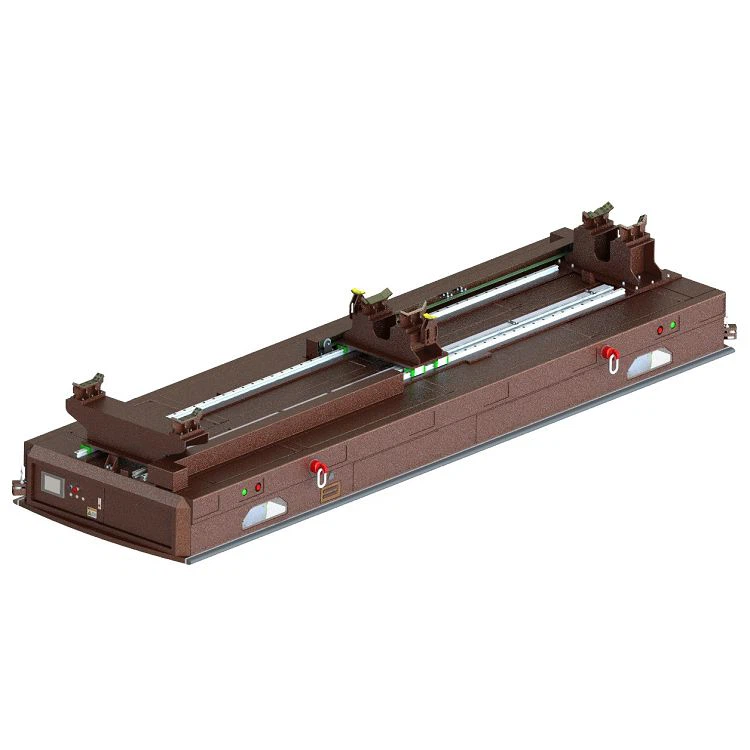
In addition, the new owner should pay attention to the integration and development of the factory area. This may involve upgrading the facilities, optimizing the production process, and exploring new business opportunities. For example, if the factory area is suitable for the application of advanced logistics equipment, the new owner may consider investing in Outdoor Heavy Duty Navigation AGV, Container Trans Automatic Vehicle, or Port Transport AGVs to improve the efficiency of material handling and transportation.
As a Factory Area Transfer supplier, I am committed to providing comprehensive and professional services throughout the entire transfer process. Whether you are a seller looking to transfer a state - owned factory area or a buyer interested in acquiring one, I can offer you in - depth industry knowledge, extensive experience, and personalized solutions. If you are considering a factory area transfer, I encourage you to contact me for a detailed discussion and to explore how we can work together to achieve your goals.
References
- State - owned Assets Supervision and Administration Regulations
- Land Management Laws and Regulations
- Environmental Protection Laws and Regulations


