


In the era of rapid technological advancement, the transfer of factory areas has become a significant aspect of industrial development. As a Factory Area Transfer [Supplier], I have witnessed firsthand the numerous challenges and opportunities that come with this process. One of the most pressing issues that often goes unnoticed but holds immense importance is data privacy. In this blog, I will delve into the data privacy issues associated with factory area transfer and explore how they can impact businesses and individuals.
Understanding Factory Area Transfer
Factory area transfer involves the movement of industrial operations from one location to another. This can be due to various reasons, such as expansion, cost - efficiency, or regulatory compliance. It encompasses the relocation of machinery, equipment, and most importantly, a vast amount of data related to production processes, employee information, customer details, and business strategies.
During the transfer process, data is collected, stored, and transferred between different systems and locations. This data flow creates a complex web of potential privacy risks. For instance, when moving production data from an old factory's local servers to a new facility, there is a risk of data leakage if proper security measures are not in place.
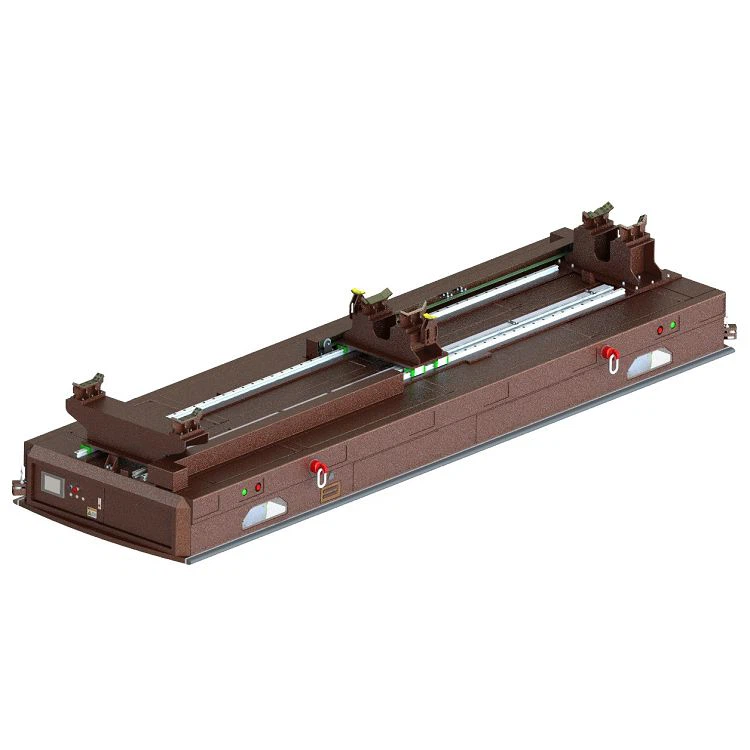

Data Privacy Risks in Factory Area Transfer
1. Employee Data
Employee data is one of the most sensitive types of information in a factory. It includes personal details such as names, addresses, social security numbers, and salary information. During the factory area transfer, this data needs to be migrated from the old HR systems to the new ones. If the transfer is not properly managed, there is a high risk of employee data being exposed. Hackers could potentially intercept the data during transit or gain unauthorized access to the new HR systems if they are not adequately secured.
2. Production Data
Production data contains valuable information about the factory's manufacturing processes, trade secrets, and quality control measures. This data is the lifeblood of the factory and gives it a competitive edge in the market. When transferring production data, there is a risk of it being stolen or misused. Competitors could obtain this data and replicate the factory's processes, leading to a loss of market share and revenue.
3. Customer Data
Customer data, including names, contact information, purchase history, and preferences, is another critical aspect of factory operations. If this data is compromised during the factory area transfer, it can lead to a breach of trust with customers. Customers may experience identity theft, unwanted marketing, or other privacy - related issues. This can severely damage the factory's reputation and result in a loss of customers.
Causes of Data Privacy Issues in Factory Area Transfer
1. Inadequate Security Measures
Many factories may not have up - to - date security systems in place during the transfer process. This could include outdated firewalls, lack of encryption for data transfer, and weak access controls. These security gaps make it easier for hackers to penetrate the systems and steal sensitive data.
2. Human Error
Employees involved in the factory area transfer may make mistakes that lead to data privacy issues. For example, they may accidentally send data to the wrong recipient, or they may not follow proper data handling procedures. Human error can also occur during the installation and configuration of new systems, leading to vulnerabilities that can be exploited by malicious actors.
3. Third - Party Involvement
In many cases, factories rely on third - party vendors for various aspects of the transfer process, such as data migration services or equipment installation. These third - parties may not have the same level of data privacy standards as the factory. If they do not handle the data properly, it can result in data privacy breaches.
Mitigating Data Privacy Risks
1. Conduct a Data Audit
Before initiating the factory area transfer, it is essential to conduct a comprehensive data audit. This involves identifying all the types of data that need to be transferred, their location, and their sensitivity level. By understanding the data landscape, the factory can develop a more targeted data privacy strategy.
2. Implement Strong Security Measures
To protect data during the transfer, factories should implement strong security measures. This includes encrypting all data in transit and at rest, using multi - factor authentication for access control, and regularly updating security software. Additionally, firewalls should be configured to prevent unauthorized access to the factory's networks.
3. Train Employees
Employees play a crucial role in ensuring data privacy during the factory area transfer. They should be trained on proper data handling procedures, including how to recognize and report potential security threats. Regular training sessions can help raise awareness about data privacy issues and reduce the risk of human error.
4. Vet Third - Party Vendors
When working with third - party vendors, factories should thoroughly vet them to ensure they have robust data privacy policies and practices. Contracts with third - parties should clearly define their responsibilities regarding data privacy and security. Regular audits of third - party vendors can also help ensure compliance.
Impact on Different Stakeholders
1. Factory Owners
For factory owners, data privacy issues can have significant financial and reputational consequences. A data breach can result in legal liabilities, loss of customers, and damage to the brand. It can also lead to increased insurance premiums and regulatory fines.
2. Employees
Employees are directly affected by data privacy issues as their personal information is at stake. A data breach can lead to identity theft, financial loss, and a violation of their privacy rights. This can cause stress and anxiety for employees and may also affect their trust in the factory.
3. Customers
Customers expect their data to be protected when doing business with a factory. A data breach can erode customer trust and lead to a loss of business. Customers may also be at risk of fraud and other privacy - related issues if their data is compromised.
Conclusion
Data privacy is a critical issue in factory area transfer. As a [Supplier] in the Factory Area Transfer industry, I understand the importance of addressing these issues to ensure the smooth and secure relocation of factories. By being aware of the data privacy risks, implementing appropriate security measures, and training employees, factories can minimize the chances of data breaches.
If you are considering a factory area transfer and want to ensure that your data privacy is protected, we are here to help. Our team of experts has extensive experience in handling all aspects of factory area transfer, including data security. We can provide customized solutions to meet your specific needs and ensure a seamless transfer process. To learn more about our services, visit our [Factory Area Transfer](https://www.example.com/outdoor - unmanned - agvs/factory - area - transfer.html) page. We also offer specialized solutions such as [Wind Power And Power Generation AGVs](https://www.example.com/outdoor - unmanned - agvs/wind - power - and - power - generation - agvs - factory.html) and [Container Trans Automatic Vehicle](https://www.example.com/outdoor - unmanned - agvs/container - trans - automatic - vehicle.html) transfers.
Contact us today to start the conversation about your factory area transfer and data privacy requirements. We look forward to working with you to make your transfer a success.
References
- Smith, J. (2020). Data Privacy in the Industrial Sector. Journal of Industrial Security, 15(2), 34 - 45.
- Johnson, A. (2019). Best Practices for Data Transfer in Factory Relocations. Manufacturing Insights, 22(3), 67 - 78.
- Brown, K. (2021). Protecting Employee Data During Factory Moves. Human Resources Today, 30(1), 12 - 23.


