

As a supplier of Laser Guided Heavy Load AGVs, I've seen firsthand how these bad boys can revolutionize industrial operations. But like any piece of high - tech equipment, they need proper maintenance to keep running smoothly. So, let's dive into how you can maintain your Laser Guided Heavy Load AGVs.
Regular Visual Inspections
First things first, start with regular visual inspections. It's like giving your AGV a quick once - over every day. Check for any visible signs of wear and tear on the body. Look for dents, scratches, or cracks that could affect the structural integrity of the vehicle. Also, pay close attention to the laser sensors. These are the eyes of your AGV, and any damage to them can lead to navigation issues.
Inspect the wheels too. Make sure they're not worn down unevenly. Uneven wear can cause the AGV to move erratically, which is a big no - no when you're dealing with heavy loads. If you notice any problems during these visual checks, mark them down and plan for further investigation or repair.
Cleaning the Laser Sensors
The laser sensors on your AGV are super important. They use laser beams to detect obstacles and navigate around the warehouse or factory floor. Over time, these sensors can get dirty from dust, debris, or even oil in the industrial environment. A dirty sensor can give inaccurate readings, leading to navigation errors or collisions.

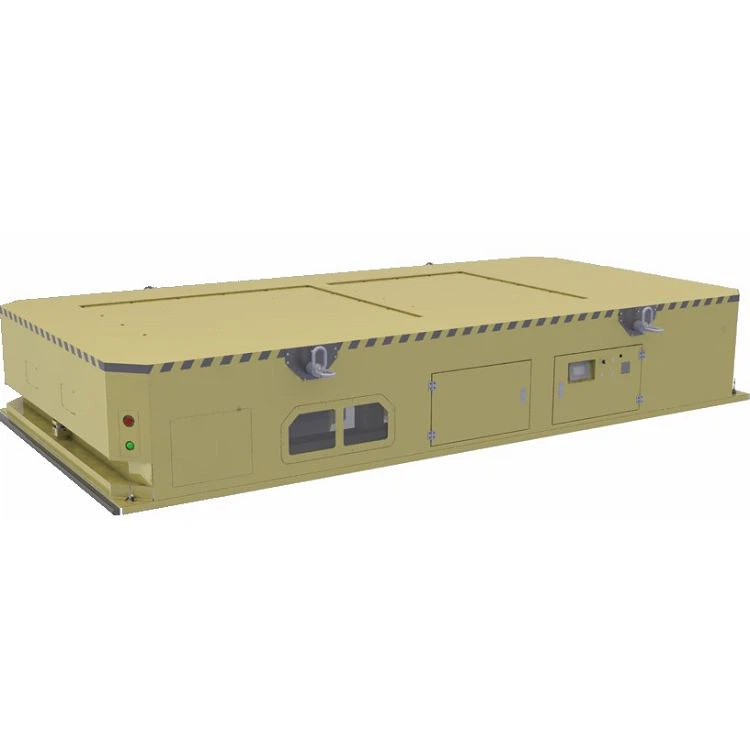
To clean the sensors, use a soft, lint - free cloth. You can dampen it slightly with a mild cleaning solution, but make sure it's not too wet. Gently wipe the sensor surface in a circular motion. Avoid using abrasive materials that could scratch the sensor. And remember, always follow the manufacturer's guidelines when it comes to cleaning these sensitive components.
Battery Maintenance
Batteries are the power source of your AGV, and proper battery maintenance is crucial. First, keep an eye on the battery charge level. Don't let the battery run completely flat, as this can shorten its lifespan. Most modern AGVs have a battery management system that will give you an indication of the charge level.
Also, make sure the battery connections are clean and tight. Loose connections can cause power fluctuations, which can damage the AGV's electrical system. If you notice any corrosion on the battery terminals, clean it off using a mixture of baking soda and water. After cleaning, dry the terminals thoroughly before reconnecting them.
When it comes to charging, follow the recommended charging schedule. Overcharging or undercharging can both be bad for the battery. Some AGVs are designed for opportunity charging, which means they can be charged during short breaks in operation. This can help keep the battery in good condition.
Software Updates
Your AGV's software is like its brain. It controls everything from navigation to load handling. Just like your smartphone, the software needs to be updated regularly. Software updates often include bug fixes, performance improvements, and new features.
Keep in touch with the AGV manufacturer to find out when new software updates are available. Installing these updates can help your AGV run more efficiently and reduce the risk of software - related malfunctions. Before installing an update, make sure to back up any important data on the AGV's system.
Checking the Drive System
The drive system of your AGV is responsible for moving it around. This includes the motors, gears, and drive wheels. Regularly check the drive system for any unusual noises or vibrations. These could be signs of a problem, such as a worn - out gear or a misaligned motor.
Lubricate the moving parts of the drive system as recommended by the manufacturer. Proper lubrication reduces friction and wear, ensuring smooth operation. And if you notice any leaks in the hydraulic or lubrication systems, address them immediately. Leaks can lead to a loss of fluid, which can cause the drive system to fail.
Calibration
Calibration is an important part of AGV maintenance. Over time, the AGV's navigation system may need to be recalibrated to ensure accurate movement. This involves using special calibration tools and procedures to adjust the sensors and other components.
Calibration should be done at regular intervals, especially after any major repairs or if the AGV has been moved to a new location. A properly calibrated AGV will move more precisely, reducing the risk of collisions and improving overall efficiency.
Training the Operators
Your operators play a big role in AGV maintenance. Make sure they're properly trained on how to operate the AGV safely and correctly. They should know how to perform basic checks before each use, such as checking the battery level and looking for any visible damage.
Operators should also be trained to recognize the signs of a malfunction. If they notice something unusual, like a strange noise or an error message on the control panel, they should report it immediately. By having well - trained operators, you can catch potential problems early and prevent them from turning into major issues.
Partnering with the Supplier
As your Laser Guided Heavy Load AGV supplier, we're here to help. We have a team of experts who can provide you with technical support, spare parts, and maintenance services. If you're not sure how to handle a particular maintenance task, don't hesitate to reach out to us.
We also offer preventive maintenance programs. These programs can help you stay on top of all the maintenance tasks for your AGV. We'll work with you to create a customized maintenance schedule based on your specific usage and operating environment.
Related AGV Products
If you're interested in other types of AGVs, we also have some great options. Check out our Unmanned Conveyor AGVs, which are perfect for moving goods along a conveyor system. And our Flexible Assembly Line AGV is designed to work in assembly line environments, providing flexibility and efficiency. We also have Magenetic Strip Navigation AGVs that use magnetic strips for navigation.
Contact Us for Purchase and Maintenance
Maintaining your Laser Guided Heavy Load AGV is essential for its long - term performance and reliability. By following these maintenance tips and partnering with us, you can keep your AGV running smoothly for years to come.
If you're in the market for a new Laser Guided Heavy Load AGV or need more information about our maintenance services, don't hesitate to contact us. We're always happy to have a chat about your needs and how we can help you optimize your industrial operations with our AGVs.
References
- AGV Manufacturer's Manuals
- Industry Best Practices for AGV Maintenance
So, that's it for today's blog on how to maintain Laser Guided Heavy Load AGVs. I hope you found it useful. If you have any questions or comments, leave them below!


