

I'm a supplier of Flexible Assembly Line AGVs, and today I wanna chat about a question I get a lot: How fast can Flexible Assembly Line AGVs move?
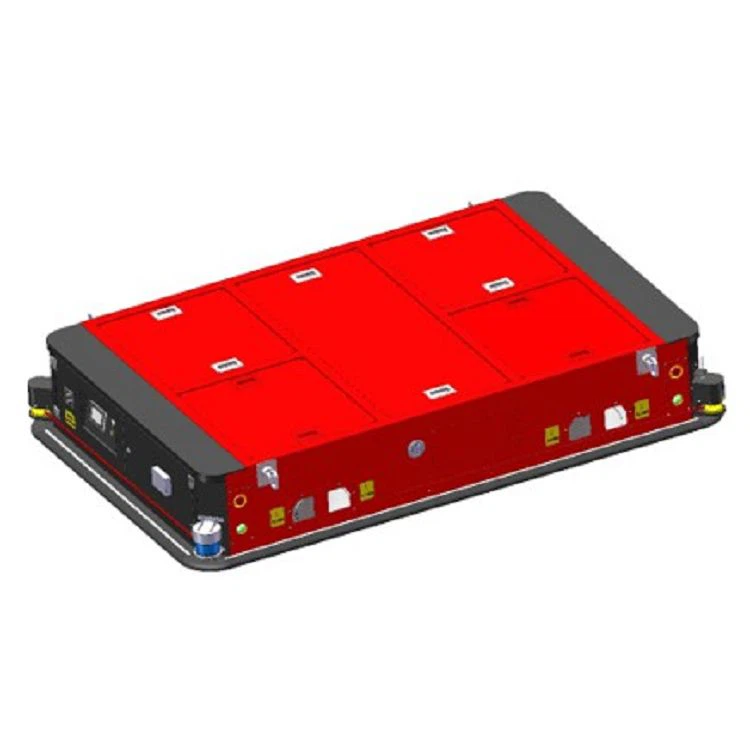

First off, it's important to understand that the speed of these AGVs isn't a one - size - fits - all deal. There are several factors that play a huge role in determining how quickly they can zip around an assembly line.
Factors Affecting AGV Speed
Load Capacity
One of the most significant factors is the load the AGV has to carry. Just like a heavy - loaded truck moves slower than an empty one, AGVs follow the same principle. Our Laser Guided Heavy Load AGVs are designed to handle large and heavy items. When they're fully loaded, their speed is naturally reduced to ensure stability and safety. For instance, if an AGV is built to carry up to 5 tons, it might move at a speed of around 1 - 2 meters per second when fully loaded. On the other hand, our Backpack Lifting AGVs, which are usually used for lighter loads, can move a bit faster. They can reach speeds of up to 2 - 3 meters per second when carrying a relatively light load.
Navigation System
The navigation system also has a big impact on speed. We offer different types of navigation systems, and each has its own pros and cons when it comes to speed. Our Natural Navigation Automated Guided Vehicles use the existing features in the environment for navigation. This system is great for flexibility as it doesn't require any additional infrastructure like magnetic tapes or reflectors. However, it might be a bit more cautious in its movement. These AGVs typically move at a speed of 1.5 - 2.5 meters per second.
In contrast, AGVs with laser - guided navigation can be a bit faster. Laser - guided systems are very accurate and can quickly calculate the AGV's position. This allows them to move more confidently, and they can reach speeds of up to 3 meters per second in some cases.
Environment
The environment in which the AGV operates is another crucial factor. If the assembly line is in a crowded area with lots of obstacles, the AGV has to slow down to avoid collisions. For example, in a busy factory floor where workers are constantly moving around, the AGV might have to reduce its speed to 1 meter per second or even slower. On the other hand, in a more controlled environment like a dedicated assembly area with few obstacles, the AGV can move at its maximum designed speed.
Safety Settings
Safety is always our top priority. All our AGVs are equipped with safety sensors and settings that can limit their speed. For example, if there's a pedestrian detection sensor, when a person gets too close to the AGV, it will automatically slow down or stop. These safety features are essential, but they do have an impact on the overall speed of the AGV.
Typical Speed Ranges
Based on our experience and the different models we offer, here's a general breakdown of the speed ranges you can expect:
- Light - duty AGVs: These are often used for tasks like transporting small parts or components. They can typically move at speeds between 2 - 3 meters per second. Their light load capacity and relatively simple navigation requirements allow them to be more agile and fast.
- Medium - duty AGVs: These AGVs are designed to handle a bit more weight and are commonly used in general assembly operations. Their speed usually ranges from 1.5 - 2.5 meters per second. They strike a balance between load - carrying capacity and speed.
- Heavy - duty AGVs: As mentioned earlier, these are built to carry large and heavy loads. Their speed is usually in the range of 1 - 2 meters per second. The slower speed ensures that they can safely transport the heavy items without any issues.
Optimizing AGV Speed
If you're looking to get the most out of your AGV's speed, there are a few things you can do. First, make sure the environment is as clear as possible. Remove any unnecessary obstacles and create dedicated paths for the AGVs. This will allow them to move more freely and at a higher speed.
Second, choose the right navigation system for your needs. If speed is a top priority and your environment allows it, a laser - guided system might be the best choice. However, if flexibility is more important, natural navigation could be a better option.
Finally, work with us to optimize the safety settings. We can fine - tune the sensors and settings to ensure that the AGV can move as fast as possible while still maintaining a high level of safety.
Conclusion
So, to answer the question "How fast can Flexible Assembly Line AGVs move?", it really depends on a variety of factors. From load capacity and navigation systems to the environment and safety settings, each aspect plays a role in determining the AGV's speed. At our company, we offer a wide range of AGV models, each with its own speed capabilities, to meet the diverse needs of our customers.
If you're interested in learning more about our Flexible Assembly Line AGVs or have specific requirements for your assembly line, we'd love to have a chat. Whether you need a high - speed AGV for a fast - paced production environment or a heavy - duty AGV for transporting large items, we've got you covered. Reach out to us, and let's discuss how we can optimize your assembly line with our top - notch AGVs.
References
- Industry research on AGV technology and performance
- Internal product testing and development data from our company's R & D department


