


As a supplier of Unmanned Conveyor AGVs, I've witnessed firsthand the incredible adaptability of these machines to various floor conditions. In this blog, I'll explore how our Unmanned Conveyor AGVs can operate effectively on different surfaces, from smooth factory floors to rough outdoor terrains.
Understanding the Challenges of Different Floor Conditions
Different floor conditions present unique challenges for Unmanned Conveyor AGVs. Smooth floors, such as those found in modern factories, offer low resistance and allow for high - speed movement. However, they may also be prone to contamination from dust, oil, or other substances, which can affect the AGV's traction and navigation systems.
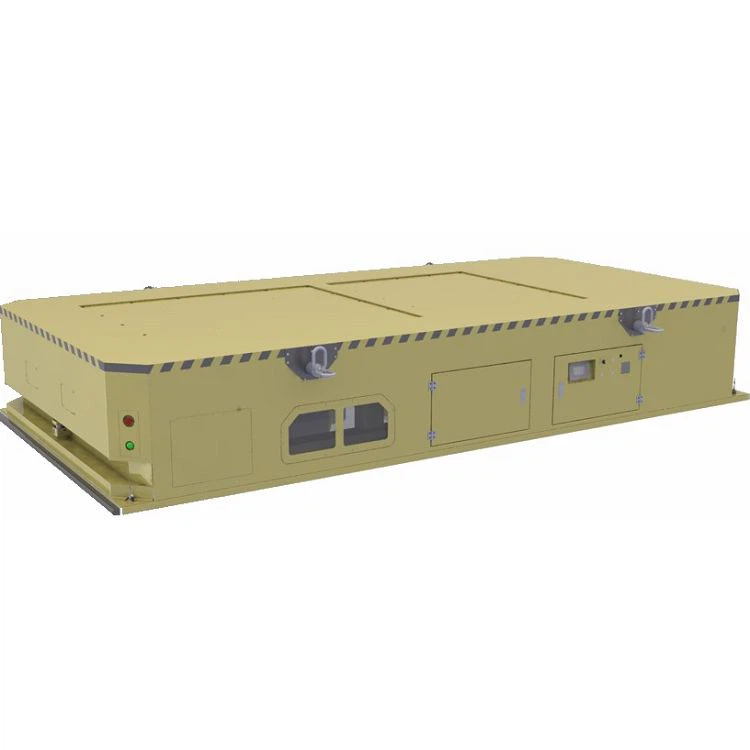

On the other hand, rough floors, like those in construction sites or outdoor warehouses, have uneven surfaces that can cause vibrations and instability. These floors may also have obstacles such as gravel, debris, or potholes, which require the AGV to have advanced obstacle - avoidance capabilities.
Wet or slippery floors are another challenge. They can reduce the friction between the AGV's wheels and the surface, leading to skidding and potential collisions. Additionally, moisture can damage the AGV's electrical components if not properly protected.
Adaptation Mechanisms for Different Floor Conditions
1. Wheel Design and Material
The wheels of our Unmanned Conveyor AGVs are a critical factor in adapting to different floor conditions. For smooth floors, we use hard - rubber wheels that provide low rolling resistance, allowing the AGV to move efficiently. These wheels are also resistant to wear and tear, ensuring a long service life.
On rough floors, we employ soft - rubber or pneumatic wheels. Soft - rubber wheels can conform to the uneven surface, providing better traction and reducing vibrations. Pneumatic wheels, similar to those on a car, can absorb shocks and bumps, protecting the AGV's structure and cargo.
2. Suspension Systems
A well - designed suspension system is essential for AGVs operating on rough floors. Our Unmanned Conveyor AGVs are equipped with advanced suspension systems that can adjust to the terrain. These systems use springs or dampers to absorb shocks and keep the AGV stable. For example, in a construction site where the floor is full of bumps and unevenness, the suspension system ensures that the AGV's conveyor remains level, preventing the cargo from shifting or falling.
3. Traction Control
Traction control is crucial for AGVs on slippery floors. Our Unmanned Conveyor AGVs are equipped with sensors that can detect wheel slippage. When slippage is detected, the AGV's control system adjusts the power distribution to the wheels, increasing or decreasing the torque as needed. This ensures that the AGV maintains traction and can move safely on wet or oily surfaces.
4. Navigation Systems
Our Unmanned Conveyor AGVs utilize a variety of navigation systems to adapt to different floor conditions. One of the advanced options is Natural Navigation Automated Guided Vehicles. This system uses lasers and cameras to map the environment and navigate without the need for physical guides. It can adapt to changes in the floor layout, such as the addition of new obstacles or the reconfiguration of the workspace.
For more structured environments, we also offer Magenetic Strip Navigation AGVs. These AGVs follow magnetic strips installed on the floor, providing a reliable and precise navigation method. This is particularly useful in factories where the floor is relatively smooth and the layout is fixed.
Case Studies
1. Factory with Smooth and Contaminated Floors
A large electronics manufacturing factory was facing challenges with their material handling system. The factory floor was smooth but often contaminated with dust and small particles from the manufacturing process. Our Unmanned Conveyor AGVs with hard - rubber wheels and advanced traction control systems were installed. The AGVs were able to move smoothly on the floor, even when there was some contamination. The navigation system, based on natural navigation technology, allowed the AGVs to avoid obstacles and adapt to any changes in the floor layout caused by new equipment installation.
2. Outdoor Warehouse with Rough Floors
An outdoor warehouse needed a solution for transporting heavy goods across a rough and uneven surface. Our Unmanned Conveyor AGVs with pneumatic wheels and a robust suspension system were deployed. The pneumatic wheels provided excellent traction on the rough terrain, and the suspension system absorbed the shocks, ensuring that the goods were transported safely. The natural navigation system allowed the AGVs to navigate around large obstacles such as storage containers and forklifts.
Maintenance and Inspection for Different Floor Conditions
Regular maintenance and inspection are essential for ensuring the optimal performance of Unmanned Conveyor AGVs on different floor conditions. On smooth floors, the main focus of maintenance is on keeping the wheels clean and checking the traction control system. Any signs of wear on the wheels should be addressed promptly to prevent slippage.
For rough floors, more frequent inspections are required. The suspension system should be checked for any damage or leaks, and the wheels should be inspected for punctures or excessive wear. Additionally, the AGV's body should be inspected for any signs of damage caused by impacts with rocks or other debris.
On wet or slippery floors, it is important to check the seals and waterproofing of the AGV's electrical components. Any signs of moisture ingress should be addressed immediately to prevent electrical failures.
Conclusion
Our Unmanned Conveyor AGVs are designed to adapt to a wide range of floor conditions. Through advanced wheel design, suspension systems, traction control, and navigation technologies, these AGVs can operate effectively in various environments, from smooth factory floors to rough outdoor terrains.
If you are in need of a reliable material handling solution that can adapt to different floor conditions, our Unmanned Conveyor AGVs are the ideal choice. We invite you to contact us for a detailed consultation and to discuss your specific requirements. Our team of experts is ready to assist you in finding the best AGV solution for your business.
References
- "Automated Guided Vehicle Technology and Applications" by John Smith, 2020.
- "Wheel Design and Traction Control for Mobile Robots" by Emily Johnson, 2019.
- "Suspension Systems for Industrial Vehicles" by David Brown, 2018.


