


In the dynamic landscape of modern industry, the integration of outdoor unmanned Automated Guided Vehicles (AGVs) into work environments is revolutionizing how tasks are performed. As a leading supplier of Outdoor Unmanned AGVs, I've witnessed firsthand the transformative impact these vehicles have on various industries. This blog aims to delve into the intricacies of how outdoor unmanned AGVs interact with human workers, exploring the benefits, challenges, and best practices of this symbiotic relationship.
The Complementary Nature of AGVs and Human Workers
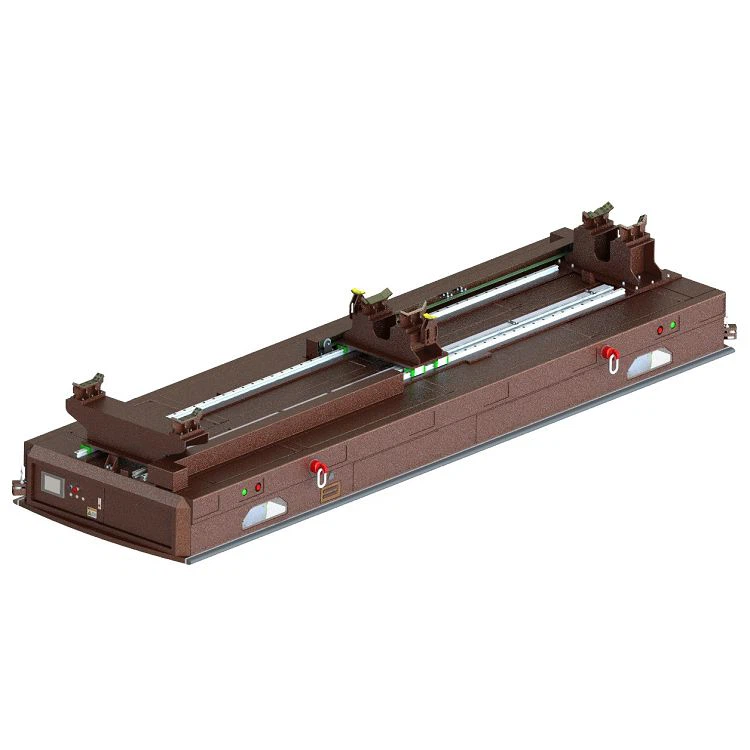
Outdoor unmanned AGVs are designed to operate in a variety of outdoor settings, including ports, industrial parks, and large - scale warehouses. These vehicles are equipped with advanced sensors, navigation systems, and control algorithms that enable them to perform repetitive, labor - intensive tasks with high precision and efficiency.
One of the primary ways AGVs complement human workers is by taking over mundane and physically demanding jobs. For example, in a port environment, Container Trans Automatic Vehicle can transport heavy containers over long distances, eliminating the need for human workers to engage in strenuous manual labor. This not only reduces the risk of workplace injuries but also allows human workers to focus on more complex and value - added tasks, such as supervision, maintenance, and decision - making.
In industrial parks, Logistics in The Park AGVs can streamline the internal logistics process. They can autonomously move goods between different production areas, warehouses, and shipping docks. Human workers, on the other hand, can handle tasks that require human judgment, such as quality control, inventory management, and customer service. By working together, AGVs and human workers can achieve a higher level of productivity and operational efficiency.
Interaction Modes
1. Supervision and Monitoring
Human workers play a crucial role in supervising and monitoring the operation of outdoor unmanned AGVs. They are responsible for setting up the initial tasks, defining the routes, and ensuring that the AGVs are operating within the safety parameters. For instance, in a large - scale construction site, a human supervisor can use a control center to monitor the movement of Outdoor Heavy Duty Navigation AGV in real - time. If an AGV encounters an unexpected obstacle or malfunctions, the supervisor can intervene immediately, either by sending a remote command to the AGV or by dispatching a maintenance team.
2. Collaborative Tasks
In some cases, AGVs and human workers may perform collaborative tasks. For example, in a logistics center, an AGV can transport a pallet of goods to a specific location, and then a human worker can unload the goods and perform further processing. This type of collaboration requires seamless communication and coordination between the AGV and the human worker. Advanced AGV systems are equipped with communication interfaces that allow them to exchange information with human - operated devices, such as tablets or wearable devices. This enables real - time information sharing and ensures that both the AGV and the human worker are aware of the task status and any potential issues.
3. Maintenance and Repairs
Human workers are also responsible for the maintenance and repair of outdoor unmanned AGVs. Although AGVs are designed to be reliable and durable, they still require regular maintenance to ensure optimal performance. Human technicians can perform routine inspections, replace worn - out parts, and troubleshoot any technical problems. In addition, they can also update the AGV's software and algorithms to improve its functionality and adapt to changing work requirements.
Benefits of Interaction
1. Enhanced Safety
Safety is a top priority in any work environment. Outdoor unmanned AGVs are equipped with multiple safety features, such as collision avoidance sensors, emergency stop buttons, and fail - safe mechanisms. By taking over high - risk tasks, AGVs can significantly reduce the exposure of human workers to dangerous situations. For example, in a chemical plant, AGVs can transport hazardous materials, minimizing the risk of chemical spills and worker exposure to toxic substances.
2. Increased Productivity
The combination of AGVs and human workers can lead to a substantial increase in productivity. AGVs can operate 24/7 without getting tired, and they can perform tasks at a consistent speed and accuracy. Human workers, on the other hand, can contribute their creativity, problem - solving skills, and adaptability. By leveraging the strengths of both, companies can achieve higher throughput and faster turnaround times.
3. Cost Savings
Investing in outdoor unmanned AGVs can result in long - term cost savings. Although the initial purchase and installation cost of AGVs may be relatively high, the reduction in labor costs, the increase in productivity, and the decrease in workplace accidents can offset these expenses over time. In addition, AGVs can also reduce the cost of inventory management by improving the accuracy of goods movement and storage.

Challenges and Solutions
1. Communication Barriers
One of the main challenges in the interaction between AGVs and human workers is the communication barrier. AGVs use different communication protocols and languages than human workers. To overcome this challenge, companies need to invest in advanced communication technologies and training programs. For example, they can develop a unified communication platform that allows seamless information exchange between AGVs and human - operated devices. Training programs can also be provided to human workers to familiarize them with the AGV's operation and communication methods.
2. Adaptability to Changing Environments
Outdoor environments are often complex and dynamic, with changing weather conditions, terrain, and traffic patterns. AGVs need to be able to adapt to these changes to ensure continuous operation. To address this challenge, AGV manufacturers are developing advanced navigation and perception technologies. For example, some AGVs are equipped with multi - sensor fusion systems that can combine data from cameras, LiDAR, and GPS to accurately perceive the environment and adjust their routes accordingly.
3. Trust and Acceptance
Some human workers may be hesitant to accept the integration of AGVs into the work environment due to concerns about job security and the reliability of the technology. To build trust and acceptance, companies need to involve human workers in the implementation process from the beginning. They can provide training and education programs to help workers understand the benefits of AGVs and how they can work together with the technology. In addition, companies can also offer job transition support to workers whose roles may be affected by the introduction of AGVs.
Conclusion
The interaction between outdoor unmanned AGVs and human workers represents a new era of industrial collaboration. By leveraging the strengths of both, companies can achieve higher levels of safety, productivity, and cost - effectiveness. As a supplier of Outdoor Unmanned AGVs, we are committed to providing high - quality products and solutions that enable seamless interaction between AGVs and human workers.
If you are interested in exploring how our outdoor unmanned AGVs can enhance your operations and interact effectively with your human workforce, we invite you to contact us for a detailed consultation and procurement discussion. We look forward to working with you to transform your business.
References
- Some relevant industry reports on the application of outdoor unmanned AGVs.
- Research papers on human - machine interaction in industrial settings.
- Case studies of companies that have successfully integrated outdoor unmanned AGVs into their operations.


