


In the bustling world of modern port operations, the efficiency of cargo handling is a critical factor that can significantly impact a port's competitiveness. As a leading supplier of Port Transport AGVs, I've often been asked whether these automated guided vehicles can be effectively used in ports with a high volume of cargo turnover. In this blog post, I'll delve into this question, exploring the capabilities, advantages, and potential challenges of using Port Transport AGVs in high - throughput ports.
The Growing Demand for Efficiency in High - Turnover Ports
Ports with a high volume of cargo turnover are the economic powerhouses of the global trade network. They handle thousands of containers and tons of bulk cargo every day, facing the constant pressure to increase throughput, reduce waiting times, and enhance safety. Traditional manual handling methods, which rely on human - operated vehicles and equipment, are often limited in terms of speed, precision, and consistency. These limitations can lead to bottlenecks, delays, and higher labor costs, making it difficult for ports to keep up with the ever - increasing demand for faster and more efficient cargo handling.
How Port Transport AGVs Work
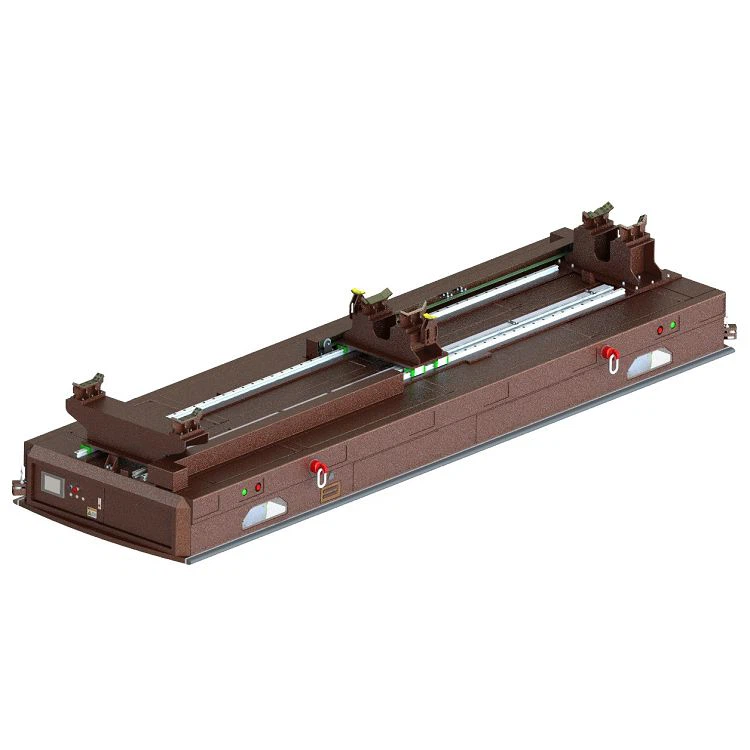
Port Transport AGVs are advanced automated vehicles designed to transport cargo within port areas. They use a combination of technologies, such as laser navigation, magnetic guidance, and GPS, to move autonomously along predefined routes. These vehicles can be programmed to pick up, transport, and deposit cargo at specific locations with high precision. For example, our Outdoor Heavy Duty Navigation AGV is specifically designed to handle heavy loads in outdoor port environments. It can carry containers weighing several tons and operate continuously for long hours without the need for breaks.
Advantages of Using Port Transport AGVs in High - Turnover Ports
1. Increased Efficiency
One of the primary advantages of Port Transport AGVs is their ability to operate continuously without fatigue. Unlike human operators, AGVs can work around the clock, ensuring that cargo is moved quickly and efficiently. They can also be programmed to optimize their routes, reducing the time spent on unnecessary detours and minimizing the overall transport time. This increased efficiency can lead to a significant improvement in the port's throughput, allowing it to handle more cargo in less time.
2. Precision and Consistency
Port Transport AGVs offer a high level of precision in cargo handling. They can position containers and other cargo with millimeter - level accuracy, reducing the risk of damage during loading and unloading operations. Moreover, their consistent performance ensures that every cargo movement is carried out in the same precise manner, eliminating the variability associated with human operators. This precision and consistency are particularly important in high - turnover ports, where even a small error can cause significant delays and disruptions.
3. Safety
Safety is a top priority in port operations, especially in high - traffic areas. Port Transport AGVs are equipped with a range of safety features, such as collision avoidance systems, emergency stop buttons, and sensors that can detect obstacles in their path. These features help to prevent accidents and ensure the safety of both the AGVs and the port workers. By reducing the number of human - operated vehicles in the port, AGVs also minimize the risk of human error, which is often a major cause of accidents in port environments.
4. Flexibility
Port Transport AGVs can be easily reprogrammed to adapt to changing port layouts and cargo handling requirements. For example, if a new terminal is added or the cargo flow pattern changes, the AGVs can be quickly reconfigured to operate in the new environment. This flexibility makes them a valuable asset in high - turnover ports, where the ability to adapt to changing conditions is essential for maintaining efficiency.
Challenges of Using Port Transport AGVs in High - Turnover Ports
1. Initial Investment
The implementation of Port Transport AGVs requires a significant initial investment. The cost of purchasing the AGVs, installing the necessary navigation and control systems, and training the port staff to operate and maintain the AGVs can be substantial. However, it's important to note that this initial investment can be offset by the long - term cost savings achieved through increased efficiency, reduced labor costs, and lower maintenance requirements.
2. Integration with Existing Systems
Integrating Port Transport AGVs with existing port systems, such as terminal operating systems (TOS) and cargo handling equipment, can be a complex task. The AGVs need to communicate effectively with other systems to ensure seamless cargo handling operations. This requires careful planning and coordination between the AGV supplier, the port operator, and other stakeholders.
3. Technical Complexity
Port Transport AGVs are complex pieces of technology that require specialized knowledge and skills to operate and maintain. The port staff needs to be trained on how to use the AGVs, troubleshoot technical issues, and perform routine maintenance tasks. Additionally, the AGV supplier needs to provide ongoing technical support to ensure the smooth operation of the vehicles.
Case Studies: Successful Implementation in High - Turnover Ports
There are several examples of ports around the world that have successfully implemented Port Transport AGVs in high - turnover environments. For instance, some major container ports in Asia and Europe have deployed our Container Trans Automatic Vehicle to handle the large volume of container traffic. These ports have reported significant improvements in efficiency, safety, and overall port performance.
Conclusion
In conclusion, Port Transport AGVs have the potential to revolutionize cargo handling in ports with a high volume of cargo turnover. Despite the challenges associated with their implementation, the benefits of increased efficiency, precision, safety, and flexibility make them a viable solution for modern port operations. As a supplier of Port Transport AGVs, we are committed to providing our customers with high - quality, reliable, and innovative solutions that can help them meet the demands of the ever - evolving port industry.

If you are interested in learning more about how our Port Transport AGVs can improve the efficiency of your port operations, or if you would like to discuss a potential procurement, please feel free to reach out. We look forward to the opportunity to work with you and help you take your port to the next level.
References
- International Association of Ports and Harbors. "Automation in Port Operations: Trends and Challenges."
- Maritime Research Institute Netherlands. "Study on the Impact of Automated Guided Vehicles in Port Environments."
- Port Technology International. "Case Studies of Successful AGV Implementations in High - Throughput Ports."


