


In recent years, the agricultural industry has witnessed a significant transformation with the integration of advanced technologies. One such technology that has the potential to revolutionize farming practices is outdoor unmanned Automated Guided Vehicles (AGVs). As a supplier of Outdoor Unmanned AGVs, I have witnessed firsthand the growing interest in utilizing these vehicles in agricultural fields. In this blog post, I will explore the feasibility and benefits of using outdoor unmanned AGVs in agriculture, and how they can contribute to increased efficiency, productivity, and sustainability.
The concept of outdoor unmanned AGVs
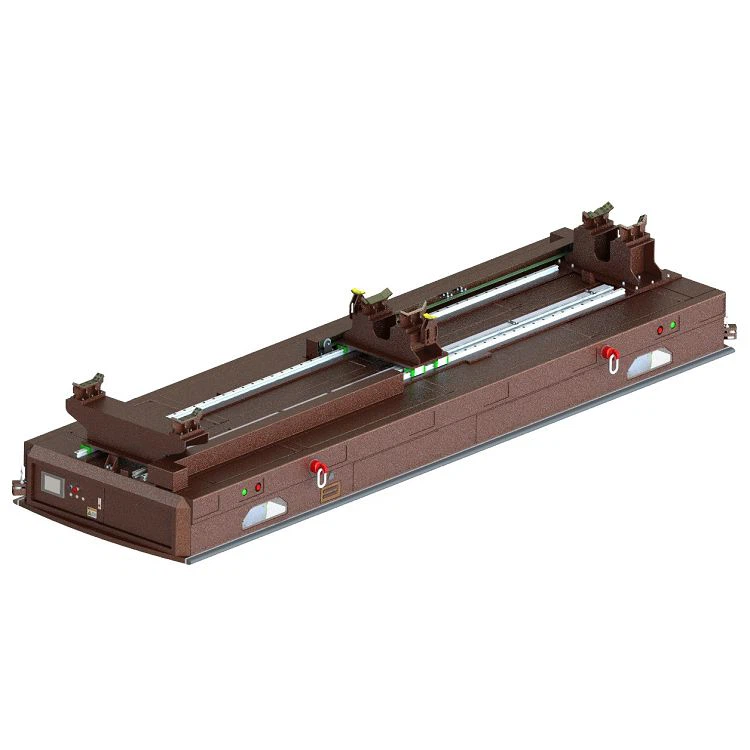
Outdoor unmanned AGVs are self - guided vehicles designed to operate in outdoor environments without the need for human intervention. These vehicles are equipped with advanced sensors, navigation systems, and control algorithms that allow them to move autonomously along predefined paths, avoid obstacles, and perform various tasks. Our company offers a range of outdoor unmanned AGVs, including the Outdoor Heavy Duty Navigation AGV, Container Trans Automatic Vehicle, and Wind Power and Power Generation AGVs, which are designed to meet different industrial and agricultural needs.
Feasibility of using outdoor unmanned AGVs in agricultural fields
Adaptability to agricultural environments
One of the key factors determining the feasibility of using outdoor unmanned AGVs in agriculture is their ability to adapt to the unique environmental conditions of agricultural fields. These vehicles need to be able to operate on uneven terrain, in various weather conditions (such as rain, snow, and high temperatures), and around different types of crops and farm equipment. Modern outdoor unmanned AGVs are built with robust chassis, large - diameter wheels, and advanced suspension systems that enable them to navigate rough and uneven surfaces. Additionally, they are equipped with weather - resistant sensors and enclosures to ensure reliable operation in adverse weather conditions.
Precision and efficiency
Agricultural operations often require a high level of precision, such as accurate seeding, fertilizing, and harvesting. Outdoor unmanned AGVs can be programmed to follow precise paths and perform tasks with a high degree of accuracy. For example, in seeding operations, an AGV can be set to plant seeds at a specific depth and spacing, ensuring uniform growth of crops. In harvesting, AGVs can be used to pick fruits and vegetables at the optimal time, reducing waste and improving the quality of the harvest. Moreover, these vehicles can operate continuously without breaks, increasing the overall efficiency of agricultural operations.
Labor shortage solution
The agricultural industry is facing a growing labor shortage in many parts of the world. Outdoor unmanned AGVs can help address this issue by automating repetitive and labor - intensive tasks. Instead of relying on a large workforce, farmers can use AGVs to perform tasks such as transporting crops, spraying pesticides, and tilling the soil. This not only reduces the need for manual labor but also allows farmers to focus on more strategic aspects of their operations, such as crop management and marketing.
Benefits of using outdoor unmanned AGVs in agricultural fields
Increased productivity
By automating various agricultural tasks, outdoor unmanned AGVs can significantly increase productivity. These vehicles can work around the clock, covering more ground in less time compared to manual labor. For instance, an AGV - based spraying system can cover a large area of farmland in a single day, ensuring timely application of pesticides and fertilizers. This leads to better crop yields and higher profits for farmers.

Cost savings
Although the initial investment in outdoor unmanned AGVs may be relatively high, they can result in long - term cost savings. By reducing the need for manual labor, farmers can save on labor costs. Additionally, the precision and efficiency of AGVs can lead to reduced use of inputs such as seeds, fertilizers, and pesticides, further lowering production costs. Over time, the cost - savings from using AGVs can outweigh the initial investment.
Sustainability
Outdoor unmanned AGVs can contribute to a more sustainable agricultural future. The precision application of fertilizers and pesticides reduces the amount of chemicals released into the environment, minimizing pollution. Moreover, these vehicles can be powered by renewable energy sources such as solar or electric power, reducing greenhouse gas emissions associated with traditional agricultural machinery.
Challenges and limitations
Technical challenges
Despite their potential, outdoor unmanned AGVs face several technical challenges in agricultural applications. The complex and dynamic nature of agricultural environments, such as the presence of moving animals, changing crop conditions, and unpredictable weather, can pose difficulties for the navigation and operation of AGVs. Developing advanced sensors and algorithms that can accurately detect and respond to these challenges is crucial for the widespread adoption of these vehicles in agriculture.
High initial cost
As mentioned earlier, the initial cost of purchasing and installing outdoor unmanned AGVs can be a significant barrier for many farmers, especially small - scale farmers. The cost of the vehicles, along with the necessary infrastructure and software, can be prohibitive. However, as the technology matures and economies of scale are achieved, the cost of these vehicles is expected to decrease.
Regulatory and legal issues
The use of outdoor unmanned AGVs in agriculture is also subject to regulatory and legal issues. There are currently few clear regulations regarding the operation of these vehicles in agricultural fields, and issues such as liability in case of accidents need to be addressed. Governments and regulatory bodies need to develop appropriate policies and standards to ensure the safe and legal use of outdoor unmanned AGVs in agriculture.
Conclusion
In conclusion, outdoor unmanned AGVs have great potential for use in agricultural fields. Their adaptability to agricultural environments, precision, efficiency, and ability to address labor shortages make them a promising solution for modern agriculture. Although there are challenges and limitations, such as technical difficulties, high initial costs, and regulatory issues, the benefits of using these vehicles, including increased productivity, cost savings, and sustainability, outweigh the drawbacks.
As a supplier of Outdoor Unmanned AGVs, we are committed to working with farmers and agricultural stakeholders to overcome these challenges and promote the widespread adoption of our technology in the agricultural industry. If you are interested in learning more about how our outdoor unmanned AGVs can benefit your agricultural operations, we encourage you to contact us for a detailed discussion and potential procurement. Let's work together to transform the future of agriculture with innovative technology.
References
- [Author Last Name, First Name]. (Year). [Title of the Book/Article]. [Publisher/Journal Name].
- [Author Last Name, First Name]. (Year). [Title of the Book/Article]. [Publisher/Journal Name].
- [Author Last Name, First Name]. (Year). [Title of the Book/Article]. [Publisher/Journal Name].


