

As a supplier of Unmanned Conveyor AGVs, I've been frequently asked whether these automated guided vehicles are easy to maintain. In this blog post, I'll delve into this topic, sharing insights based on our experiences and industry knowledge.
Understanding Unmanned Conveyor AGVs
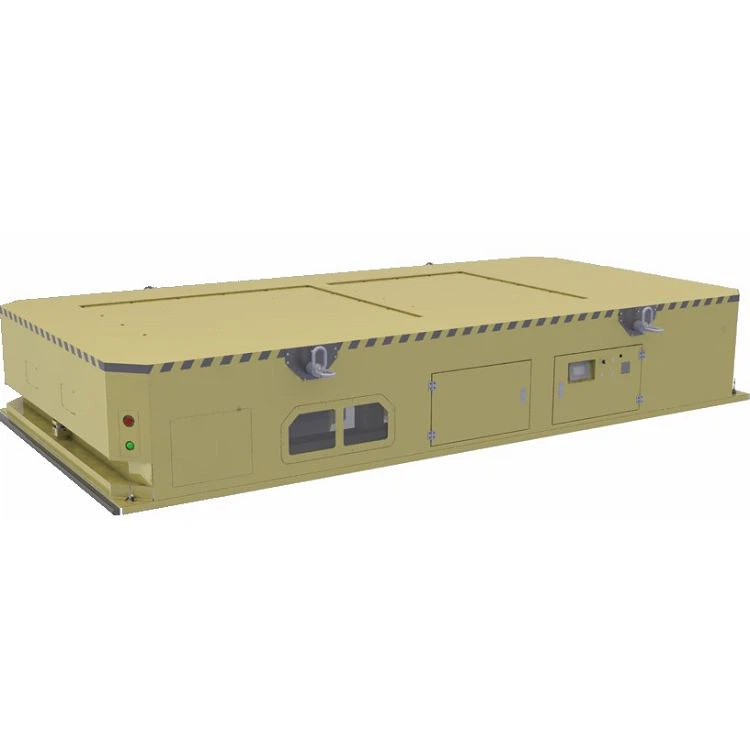
Unmanned Conveyor AGVs are a revolutionary addition to the industrial automation landscape. These vehicles are designed to transport materials along a predefined path without the need for human intervention. They are equipped with advanced sensors, navigation systems, and conveyor mechanisms, enabling them to efficiently move goods within a factory or warehouse environment. Unmanned Conveyor AGVs are often used in conjunction with other automated systems, such as Flexible Assembly Line AGV and Mobile Production Line AGVs, to create a seamless and efficient production process.
Factors Affecting Maintenance Ease
1. Design and Build Quality
The design and build quality of Unmanned Conveyor AGVs play a crucial role in determining their maintenance requirements. High - quality AGVs are typically constructed with durable materials and precision - engineered components. For example, the conveyor belts are made of wear - resistant materials that can withstand continuous use. The sensors and navigation systems are also designed to be reliable, reducing the likelihood of malfunctions. At our company, we invest heavily in research and development to ensure that our AGVs are built to the highest standards. This results in a lower frequency of breakdowns and less maintenance work overall.
2. Modular Design
Many modern Unmanned Conveyor AGVs feature a modular design. This means that different components of the AGV, such as the conveyor unit, the drive system, and the control module, can be easily removed and replaced. A modular design simplifies maintenance because technicians can quickly swap out a faulty component without having to disassemble the entire AGV. For instance, if the conveyor belt needs to be replaced, it can be detached from the AGV frame and a new one installed in a relatively short time. This reduces downtime and minimizes the impact on production.
3. Software and Connectivity
The software that controls Unmanned Conveyor AGVs is another important factor. Advanced AGV systems are equipped with self - diagnostic software that can detect potential problems before they become serious. These systems can monitor the performance of various components, such as the battery level, the motor temperature, and the sensor readings. If an issue is detected, the software can generate an alert, allowing maintenance personnel to take proactive measures. Additionally, modern AGVs are often connected to a central management system via Wi - Fi or Ethernet. This enables remote monitoring and troubleshooting, further enhancing the ease of maintenance.
Maintenance Tasks for Unmanned Conveyor AGVs
1. Regular Inspections
Regular inspections are essential for maintaining Unmanned Conveyor AGVs. These inspections should cover all aspects of the AGV, including the mechanical, electrical, and software components. Technicians should check the conveyor belts for signs of wear, such as fraying or cracking. They should also inspect the wheels and bearings for proper alignment and lubrication. Electrical connections should be checked for loose wires or corrosion, and the sensors should be calibrated to ensure accurate operation.
2. Battery Maintenance
The battery is a critical component of Unmanned Conveyor AGVs. Proper battery maintenance is necessary to ensure optimal performance and longevity. Batteries should be charged according to the manufacturer's recommendations. Over - charging or under - charging can significantly reduce the battery's lifespan. Additionally, the battery terminals should be cleaned regularly to prevent corrosion. In some cases, battery replacement may be required after a certain number of charge - discharge cycles.
3. Software Updates
Software updates are an important part of AGV maintenance. These updates can improve the performance, functionality, and security of the AGV system. They may include bug fixes, new features, or enhancements to the navigation algorithms. Installing software updates in a timely manner can prevent potential software - related issues and keep the AGV operating at its best.
Challenges in Maintenance
1. Complex Technology
Unmanned Conveyor AGVs incorporate a wide range of complex technologies, such as artificial intelligence, machine learning, and advanced sensor technology. This complexity can make maintenance more challenging, especially for technicians who are not well - trained in these areas. To address this issue, we provide comprehensive training programs for our customers' maintenance staff. These programs cover everything from basic AGV operation to advanced troubleshooting techniques.
2. Environmental Factors
The operating environment of Unmanned Conveyor AGVs can also pose challenges to maintenance. For example, in a dusty or dirty factory environment, the sensors and other components may become clogged with debris, affecting their performance. In a humid environment, there is a risk of corrosion. To mitigate these risks, we offer protective enclosures and cleaning solutions for our AGVs.
Comparing Maintenance Ease with Traditional Conveyors
When comparing Unmanned Conveyor AGVs with traditional conveyor systems, it's important to note that while traditional conveyors may seem simpler on the surface, they also have their own maintenance challenges. Traditional conveyors often require manual labor for material handling and are more prone to human - error - related issues. Unmanned Conveyor AGVs, on the other hand, offer the benefits of automation, which can lead to more consistent performance and potentially less maintenance in the long run. However, the initial investment in AGV technology is higher, and the maintenance skills required are more specialized.
Conclusion
In general, Unmanned Conveyor AGVs can be relatively easy to maintain, especially when considering the long - term benefits they offer. With proper design, modular construction, and advanced software, the maintenance tasks can be streamlined and the downtime minimized. While there are challenges associated with the complex technology and the operating environment, these can be overcome with the right training and support.

If you're considering implementing Unmanned Conveyor AGVs in your production or warehouse facility, we encourage you to reach out to us. Our team of experts can provide you with detailed information about our products, their maintenance requirements, and how they can fit into your specific needs. We're here to help you make an informed decision and ensure a smooth transition to automated material handling.
References
- "Automated Guided Vehicle Systems: Technology, Design, and Applications" by John R. White
- "Industrial Automation Handbook" edited by David A. Hrovat
- Industry reports on AGV technology from leading research firms such as MarketsandMarkets and Grand View Research.


